If you’ve ever spent time sourcing materials for marine projects—whether it’s a small recreational boat, a commercial fishing vessel, or a port infrastructure upgrade—you’ve probably run into the endless debate around pipe fittings. For years, the go-to options were metals like galvanized steel, copper, or bronze, but those come with their own set of headaches: rust, corrosion, high maintenance costs, and limited lifespan in harsh saltwater environments. As a PPH pipe fittings supplier, I get asked this question all the time: Can polypropylene homopolymer (PPH) pipe fittings actually hold up in marine applications? PPH Pipe Fittings
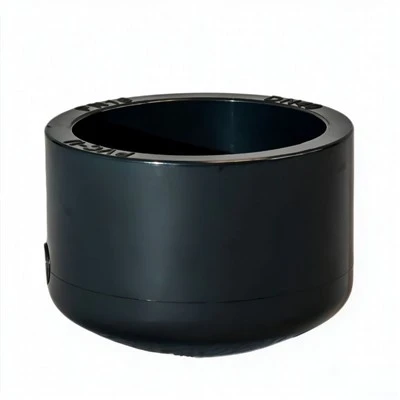
The short answer is yes—but it’s not a one-size-fits-all. Over the past decade, PPH has earned a reputation as a versatile, cost-effective alternative to traditional metal fittings, but there’s still a lot of misinformation floating around about its performance in saltwater, extreme weather, and high-pressure marine conditions. Let’s break down what makes PPH work (and when it might not be the best fit) for marine use, from a supplier who’s worked with shipyards, boat builders, and marine contractors across the globe.
First, let’s get clear on what PPH pipe fittings are. Unlike random copolymer polypropylene (PP-R) or polyvinyl chloride (PVC), PPH is a rigid, thermoplastic polymer made from a single propylene monomer unit. It has a high melting point (around 165°C, which is 329°F) and excellent chemical resistance, which is where a lot of its marine value comes in. Saltwater is a corrosive beast—metal fittings oxidize over time, leading to leaks, clogs, and even structural damage if left unaddressed. PPH, on the other hand, doesn’t react chemically with salt, so it won’t rust, pitting, or degrade from prolonged exposure to saltwater. That’s a big win for marine applications, where downtime for repairs can cost thousands of dollars, especially for commercial vessels.
But let’s talk about real-world marine conditions, not just lab test results. I remember a few years back, we worked with a small boat repair shop in Florida that was replacing all their old copper water line fittings on a fleet of charter fishing boats. The copper fittings were lasting only 2-3 years before they developed pinhole leaks from saltwater corrosion, forcing the boats to be pulled out of service mid-season. We supplied them with schedule 80 PPH pipe fittings, and three years later, they called us to order more fittings for a new fleet—those original ones were still working perfectly. That’s the kind of track record that makes PPH stand out.
Of course, marine applications aren’t just about saltwater. There’s also the issue of temperature fluctuations. Marine environments swing from hot, humid tropical days to freezing cold arctic waters, and pipe fittings have to expand and contract without cracking or failing. PPH has a linear thermal expansion coefficient, but it’s actually lower than some other plastics used for plumbing, like PVC. That means it doesn’t stretch or shrink as much when temperatures change, which reduces the risk of joint leaks from thermal stress. The charter boat example I mentioned earlier was in Florida, where temperatures rarely drop below freezing, but we also have a client in Norway that uses PPH fittings on their coastal survey vessels, which operate in waters near 0°C (32°F) in the winter. They’ve reported no issues with thermal expansion or contraction over the past four years.
Another big plus for marine use is weight. Metal fittings are heavy—adding unnecessary weight to a boat can impact fuel efficiency, speed, and maneuverability. PPH fittings are up to 80% lighter than comparable metal fittings, which is a huge benefit for both recreational boats (where every pound counts for performance) and commercial vessels (where reducing weight translates to lower fuel costs over time). I once calculated that a 50-foot fishing boat with 20 PPH fittings instead of bronze ones saves around 15 pounds—maybe not a big number for a commercial ship, but for a small recreational boat, that’s enough to improve its top speed by half a knot, which is noticeable on the water.
But here’s the catch: PPH isn’t suitable for every marine application. Let’s be honest, as a supplier, I’d never push a material that’s not right for the job. The biggest limitation of PPH is its pressure rating. Most standard PPH pipe fittings are rated for low to moderate pressure, usually up to 10 bar (145 psi) at room temperature. For high-pressure marine systems, like high-pressure washdown lines or fire suppression systems, PPH might not hold up. Those applications usually require metal or high-performance polymer fittings like PVDF, which can handle higher pressures. We always advise our marine clients to assess their system’s pressure requirements first—if it’s a standard water line, bilge pump line, or sanitation line, PPH is perfect. If it’s a high-pressure system, we’ll point them to the right alternative and recommend PPH for other parts of the project where it makes sense.
Another consideration is UV resistance. Marine vessels spend most of their time exposed to direct sunlight, and UV rays can break down plastics over time. Standard PPH is naturally UV-resistant, but not as much as specialized marine-grade plastics. That’s why we offer UV-stabilized PPH pipe fittings designed specifically for outdoor and marine use. Our UV-stabilized PPH has additives that prevent the plastic from becoming brittle or discolored after years of sun exposure. We tested this by leaving a batch of standard and UV-stabilized PPH fittings outside in Arizona’s desert sun for two years— the standard ones cracked and lost their structural integrity, while the UV-stabilized ones looked and performed just like new. That’s a key detail anyone working on marine projects needs to know; using non-UV-stabilized PPH on exterior piping will lead to premature failure.
I also get asked a lot about compatibility with other materials. If you’re installing PPH fittings alongside metal pipes or metal components, you have to be careful with galvanic corrosion. When two different metals are in contact in saltwater, they create an electrochemical reaction that speeds up corrosion, but since PPH is a non-conductive plastic, that reaction doesn’t happen. That’s actually a benefit—you don’t have to worry about coupling PPH pipes to metal pipes leading to galvanic corrosion, as long as you use the right transition fittings. We supply transition fittings that connect PPH to bronze or stainless steel, designed to prevent any issues at the joint. We always advise our clients to use these transition fittings instead of trying to glue PPH directly to metal, which can cause leaks.
Let’s talk about installation too, because that’s a major factor in marine projects. PPH fittings are easy to install with solvent welding, which creates a permanent, leak-proof joint. Unlike metal fittings, which require threading, soldering, or crimping—all of which take time and specialized skills—solvent welding PPH fittings is straightforward, even for contractors who don’t have a lot of experience with plastics. I’ve seen a team of three install 100 feet of PPH piping on a small boat in half a day, compared to two days they spent on a previous job with copper fittings. That means less downtime for projects, which is a big win for marine operators. It’s also worth noting that solvent-welded PPH joints are just as strong as the pipe itself, so you won’t have to worry about joints failing under pressure or vibration. Marine vessels experience a lot of vibration from engines, propellers, and rough seas, but PPH’s flexibility (without being too soft) means it can handle that vibration without cracking joints, unlike some rigid metal fittings that can develop leaks over time from repeated stress.
Now, let’s address some common myths about PPH in marine applications. One myth is that PPH is not durable enough for heavy use. That’s not true—PPH has a long lifespan, usually 20-30 years, in marine environments when installed correctly. We have a client who’s been using PPH fittings on their port’s water supply lines for 18 years, and they’ve had zero leaks or failures. Another myth is that PPH can’t handle hot water. While PPH’s melting point is 165°C, it can handle hot water up to around 80°C (176°F) for short periods, which is more than enough for most marine hot water systems, which usually run at 60-70°C (140-158°F). If you need to handle higher temperatures, we offer high-temperature PPH fittings designed for that purpose, though those are less common in marine projects.
So, when is PPH the right choice for marine applications? Let’s outline the best use cases: standard freshwater lines, saltwater intake and discharge lines, bilge pump lines, sanitation lines, greywater systems, water supply lines for small recreational boats and commercial vessels, and port infrastructure piping. When is it not the best choice? High-pressure lines (over 10 bar/145 psi), fire suppression systems, and any application where temperatures exceed 80°C (176°F) for extended periods.
As a PPH pipe fittings supplier, I’ve seen firsthand how many marine operators are switching to PPH to cut costs and reduce maintenance. The initial cost of PPH fittings is about 30-40% lower than comparable bronze or stainless steel fittings, and since they last longer and require less maintenance, the total cost of ownership is significantly lower. For example, a 10-foot run of bronze fittings might cost $150 upfront, while PPH fittings of the same size cost $90, and while the bronze might last 3 years, the PPH lasts 20 years. That’s a no-brainer for any budget-conscious marine project.
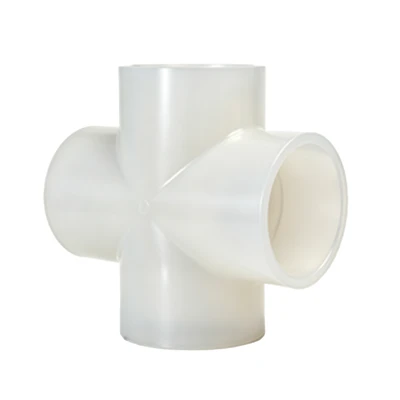
If you’re working on a marine project—whether it’s building a new boat, retrofitting an existing one, or upgrading port infrastructure—and you’re considering PPH pipe fittings, don’t just take my word for it. Reach out to our team to discuss your specific needs. We can help you select the right type of PPH fittings (UV-stabilized, standard, or high-pressure) for your application, provide technical specifications, and answer any questions about compatibility, installation, or performance. We work with marine contractors, boat builders, and shipyards around the world, and we know the unique challenges of marine environments, so we can tailor our recommendations to your exact project.
UPVC Pipe Fittings References
- Polymer Institute. (2021). Performance of Thermoplastic Piping in Saltwater Environments. Annual Technical Report.
- International Maritime Organization (IMO). (2019). Guidelines for the Use of Plastic Materials in Marine Vessel Plumbing Systems.
- American Society of Mechanical Engineers (ASME). (2020). Pressure Rating Standards for Thermoplastic Pipe Fittings.
- Marine Engineering Journal. (2022). Cost Analysis of Metal vs. Thermoplastic Piping in Coastal Infrastructure Projects.
Anhui Weidong Pipeline Technology Co., Ltd.
As one of the most professional PPH pipe fittings manufacturers and suppliers in China, we have world-leading production equipment and strong manufacturing capabilities. Please feel free to buy high quality PPH pipe fittings at competitive price from our factory. Welcome to contact us for quotation.
Address: No. 35 Hongyuan Avenue, Economic Development Zone, Huoshan County, Lu’an City, Anhui Province
E-mail: 18056040225@163.com
WebSite: https://www.wdpipe.com/
