What’s up, folks – if you’re deep in the hydraulic game, whether you’re a small shop building custom lifts or a big fleet guy keeping excavators running, you know good production equipment isn’t just nice to have, it’s make-or-break. I’ve been selling hydraulic production gear for, well, way too long to count, and one thing I see all the time is people mixing up “what they need” with “what’s just shiny.” So let’s break down the main types you actually run into, no jargon overload, promise. Hydraulic Industry Production Equipment
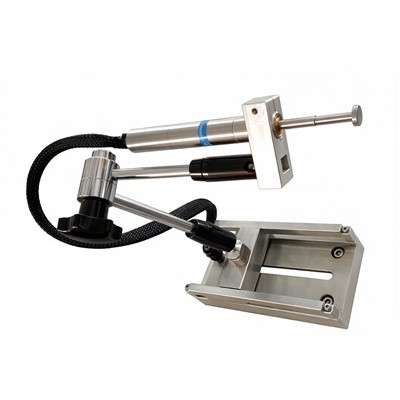
First off, let’s get real: hydraulic parts aren’t your average metal widgets. They need tight tolerances, no leaks, and enough durability to handle pressures that’d blow a regular gauge. So the equipment isn’t just a CNC mill off the shelf – it’s built for fluids, seals, and those little moving parts that make a system work.
First big category: CNC Machining Centers, specifically ones tuned for hydraulic components. Wait, I know what you’re thinking – “CNC’s CNC, right?” Nah. Regular machining centers might mess up hydraulic housings because they don’t account for the uneven metal grain in cast iron or aluminum that’s super common for valve bodies. The hydraulic-specific ones, they have higher spindle speeds but also lower vibration, so when you’re cutting a port for a hose or a piston groove, the edge doesn’t get all rough. Oh, and most of the good ones these days have through-spindle coolant, too – not just flood coolant. Hydraulic parts run hot when they work, so cutting chips stay sharp, and the material doesn’t warp mid-run. I see a lot of new shops buying a cheap mill, then screaming when their valve bodies leak because the surface finish’s too rough. Pro tip: if you’re machining cylinder barrels or manifold blocks, you don’t just need any CNC – look for ones with 4th or 5th axis capabilities. That lets you machine multiple sides without re-clamping, which cuts down on human error big time.
Next up: Hydraulic Cylinder Production Equipment. Cylinders are the backbone of any hydraulic system – think the ones on garbage trucks, construction cranes, even car lifts. This is a whole sub-set of gear, not just one machine. You have honing machines, first and foremost. Honing’s what makes the inside of the cylinder barrel super smooth – like, mirror smooth smooth. If that’s off, the seal gets chewed up, and you lose pressure. Regular honing machines don’t have the rotation accuracy these hydraulic ones do; some use diamond honing sticks instead of sand, so the finish lasts way longer. Then there’s rod polishing equipment. The piston rod has to be just as smooth on the outside – no scratches, no dings, because that’s what the wiper seal rides on. I’ve seen a shop skip the polishing step and end up with a whole batch of cylinders leaking within 6 months. Also, for welding cylinder end caps, you have orbital welding machines. These spin the weld head around the rod or barrel without warping the part, which is way better than a regular MIG welder. No one wants a cylinder that blows its end cap off 10 feet in the air, right?
Third, Valve and Manifold Production Gear. Valves are the brains of the hydraulic system – they control the flow, direction, pressure. Manifolds are the blocks that hold all the valves together. For manifolds, you’re mostly dealing with drilling and tapping machines, but again, hydraulic-specific. These machines do multiple cross-drills at once, because manifolds have ports that go through different planes – you can’t just drill straight holes. If a cross-drill is off by even a fraction, you get internal leaks, and the whole system’s toast. Then there’s valve assembly equipment. Wait, a lot of people forget assembly is production too, not just machining. These are the machines that press in poppets, springs, seals – the tiny parts that you can’t install by hand without damaging them. A bad poppet seal means the valve doesn’t shift when it’s supposed to, which is a disaster on a construction machine. Some of these assembly machines even test the valve right after putting it together, so you don’t waste time on bad parts. I once had a customer who was assembling manual valves, and their defect rate was 12% – after switching to automated valve assembly gear, it dropped to under 1%. That’s game changing.
Fourth: Seal and Hose Manufacturing Equipment. Seals and hoses are the things that keep hydraulic fluid from turning your shop floor into a slip-and-slide, but they’re also super easy to mess up. For seals, you have injection molding machines specifically for rubber and thermoplastic elastomers – the materials seals are made of. Regular injection molding might work for plastic parts, but hydraulic seals need exact hardness, no voids inside the material, or they’ll leak. Then there’s hose crimping machines. A lot of guys buy a cheap crimp tool, but that’s a mistake. The crimp has to be exact – too loose, the hose blows off; too tight, it cuts the inner liner and fails. Good hydraulic crimpers use precise pressure control, so every crimp is consistent. Also, there’s hose cutting machines that make a perfect square cut, no frayed ends, which makes the crimp work way better. I’ve had guys come to me with a garage full of bad hoses, all because they used a $50 crimp tool instead of a proper industrial one.
Wait, should I mention pressure testing equipment? Yeah, that’s part of production too, not just after you build the whole system. A lot of people glaze over testing, but it’s the only way to catch a bad part before it goes to the customer. Hydraulic pressure test benches – these let you run the part at 110% of its rated pressure for a set time, check for leaks, measure flow rate. Some of the newer ones even log data, so you can prove to a customer your parts are up to spec. I see too many shops skipping this step, then getting returns because a cylinder leaks at full pressure. Trust me, a $10k test bench saves you way more in returns and reputation.
Now, let’s talk about what not to do, because I get asked this all the time. A lot of small shops come to me thinking they can just buy a random machine and make hydraulic parts. But here’s the thing: hydraulic parts are all about precision. A tolerance of 0.001 inches might not matter for a car door, but for a hydraulic spool valve? That’s the difference between a system that lifts a 50 ton crane and one that doesn’t move at all. So avoid the “cheap” imported machines unless you’ve had them vetted specifically for hydraulic work. I’ve seen guys buy a $20k CNC mill from overseas, and it can’t hold the tolerance on a manifold block, so they end up wasting material and time.
Also, don’t mix production equipment with general maintenance gear. I’ve had customers ask if they can use a hose crimper they use for on-site repairs for production. No. Repair crimpers are built for occasional use, not 50 hoses a day. Production gear is built for high volume, consistent performance, which is what you need if you’re scaling up.
So, if you’re setting up or upgrading your hydraulic production line, you need to map out exactly what parts you’re making first. If you’re doing mostly cylinders, focus on honing and rod polishing. If you’re doing valves, invest in the right CNC machining and valve assembly gear. Don’t overbuy – you don’t need a 5-axis mill if you’re only making simple hose fittings – but don’t cut corners either.
At the end of the day, the right production equipment isn’t just about making parts fast. It’s about making parts that work, that don’t leak, that don’t fail out in the field. I’ve been in this game long enough to know that a good piece of gear pays for itself in 6 months, whereas a cheap one costs you in returns, wasted material, and headaches for years.
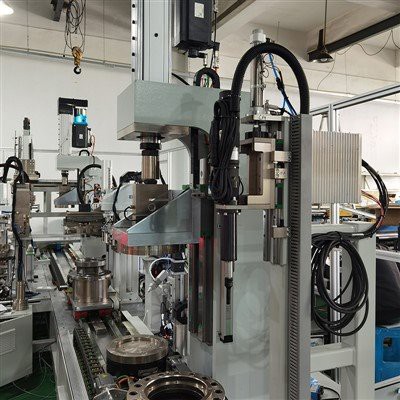
If you’re trying to figure out which equipment fits your line, or you have questions about spec’ing something for your specific parts, hit me up to chat. No pressure, just straight answers about what will actually work for your shop.
Hydraulic Industry Production Equipment References
- Fluid Power Society. (2022). “Hydraulic Component Production Tolerance Standards.” National Fluid Power Association.
- Machining Science and Technology. (2021). “Surface Finish Requirements for Hydraulic Cylinder Interiors.” Taylor & Francis.
- Seal Technology Magazine. (2023). “Material and Equipment Specifications for Hydraulic Seal Manufacturing.” Endeavor Business Media.
- Construction Equipment Industry Association. (2022). “Cylinder Production and Testing Protocols.” Association of Equipment Manufacturers.
Shanghai Zenyan Automation Engineering Co., Ltd.
As one of the leading hydraulic industry production equipment manufacturers in China, we warmly welcome you to buy advanced hydraulic industry production equipment made in China here from our factory. All customized machines are with high quality and low price. Contact us for quotation.
Address: 3rd Floor, Building A, No.5629 Beisong Road, Chedun Town, Songjiang District, Shanghai, China
E-mail: zenyan_sh@163.com
WebSite: https://www.zenyanauto.com/
