If you’ve ever relied on a diesel air compressor for construction sites, mining operations, agricultural irrigation equipment, or even emergency power backup during grid outages, you know that its performance depends far more on proper installation than most operators realize. As a diesel air compressor supplier, I’ve seen too many customers rush through setup, cut corners on pre-installation checks, and end up with units that underperform, break down prematurely, or fail entirely when they’re needed most. This isn’t a problem of bad equipment—it’s a problem of skipping critical installation requirements that are specific to diesel air compressors, which differ drastically from electric models or gasoline-powered tools. Over the past 12 years in this business, I’ve installed, troubleshooted, and consulted on hundreds of units across North America, and today I want to walk you through the non-negotiable installation requirements I share with every client before we even ship a single component. Diesel Air Compressor
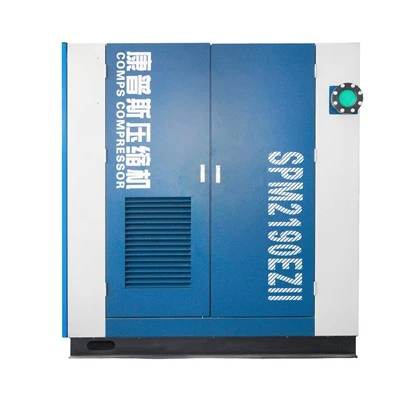
First, let’s start with the foundation: the physical and structural installation site. This might seem basic, but you’d be surprised how many customers try to set up a 180 CFM portable diesel compressor on uneven gravel or a flimsy wooden pallet. Diesel air compressors generate significant vibration during operation—constant, rhythmic shaking that can loosen pipe fittings, crack engine blocks, or even shift the unit out of alignment if the site isn’t properly prepared. The site needs to be level within 0.25 inches over a 10-foot span, per OSHA guidelines for construction equipment, and capable of supporting the unit’s total weight. A typical 375 CFM skid-mounted diesel compressor weighs around 2,200 pounds; if you’re placing it on a rooftop or a raised platform, you need to calculate the structural load capacity (most industrial floors are rated for 150+ PSF, but portable units on construction sites often sit on temporary pads that only handle half that). I always advise clients to use reinforced concrete pads rated for at least twice the compressor’s weight, or for portable models, heavy-duty rubber anti-vibration pads between the unit’s frame and the ground to absorb 70-80% of vibration. Another often-overlooked site requirement is ventilation: diesel engines produce toxic exhaust fumes, so you can’t set the unit up in a confined space like a small tool shed or a basement garage. Even outdoor sites need enough clearance around the air intake and exhaust ports—minimum 3 feet on the intake side (to avoid pulling in hot, dirty air that reduces efficiency) and 5 feet on the exhaust side (to prevent fumes from drifting into walkways or operator work areas). I once had a customer in rural Wyoming set a 100 CFM portable compressor in a 10-foot gap between two grain silos, and within two hours the operator started experiencing carbon monoxide poisoning—we had to relocate it, and they learned the hard way that ventilation isn’t just a suggestion, it’s a safety mandate.
Next, fuel system compatibility and storage. This is where a lot of first-time buyers get tripped up. Diesel air compressors run on standard on-road diesel (No. 2) for most models, but extreme cold weather (below 20°F) requires No. 1 diesel or a winter blend to prevent gelling. But beyond fuel grade, the installation of the fuel line and storage tank needs to meet specific standards. For skid-mounted units, the built-in fuel tank is usually sufficient for 8-12 hours of operation, but if you need extended run times, you’ll need to connect an auxiliary tank—and this isn’t just hooking a hose up. The fuel line must be made of rigid, rated steel (not rubber or plastic, which can degrade from diesel over time) and sized to match the compressor’s fuel consumption: a 375 CFM unit burns roughly 6 gallons per hour, so you’ll need a ½-inch inner diameter line to avoid fuel starvation. Most importantly, the fuel system requires a shutoff valve within 6 feet of the compressor, and all connections must be rated for 10 PSI to handle pressure fluctuations during startup. For stationary installations, the storage tank should be placed at least 10 feet from the compressor unit to prevent fire risk, and it needs a sediment filter and water separator installed between the tank and the compressor’s fuel pump—water in diesel is one of the top causes of premature engine failure, and I’ve seen this single mistake add $2,000+ in repair costs. A client in Texas once tried to skip the water separator to save $15, and his compressor seized up after three months because of contaminated fuel; we had to replace the entire engine, and he learned that small installation shortcuts lead to big bills.
Then there’s the compressed air piping system, which is often the most overlooked part of installation. The compressor’s job is to generate air, but if the piping is poorly installed, you’ll lose 30-50% of that pressure before it even reaches your tools. The first rule here is pipe sizing: a general guideline is 1 CFM per 1/8 inch of pipe diameter, but that’s a baseline. For a 375 CFM compressor, you need at least a 2-inch diameter main air line, and if you’re running lines over long distances (more than 100 feet), you should bump it up to 2.5 inches to avoid pressure drop. The material matters too: galvanized steel is standard for stationary systems, but for portable units on construction sites, aluminum piping is lighter and resists corrosion better than steel. Never use rubber hoses as permanent piping—use them only as temporary connections to tools. Another critical point is slope and drainage: the main air line should slope ¼ inch per 10 feet toward a condensate drain valve. Compressed air holds moisture, and if that moisture gets trapped in the line, it can damage pneumatic tools, cause rust, or even ruin products in applications like painting or sandblasting. I always install automatic ball drip valves at low points in the line, and I teach my clients to test them weekly—one client in the auto industry had to repaint 12 cars because his piping drain was clogged, all because he skipped that simple installation step. Also, all threaded pipe connections need Teflon tape rated for gas or air (not the old plumbing tape for water) to prevent leaks, and you should test the entire system at 150 PSI (50 PSI above the compressor’s rated working pressure) before putting it into regular use.
Electrical and control system installation is another area where mistakes happen, even with diesel models—wait, diesel compressors have electrical components, right? Yes, the engine starter, fuel injector system, pressure switches, and control panel all require proper electrical setup. For portable diesel compressors, which are often started with 12V or 24V DC power, the battery needs to be rated for at least 1000 cold cranking amps to handle startup loads, and the wiring must be heavy-gauge (8 AWG for 24V systems, 10 AWG for 12V) to prevent voltage drop that can cause the starter to burn out. For stationary units connected to grid power, the control panel requires a dedicated circuit breaker, sized to match the compressor’s electrical load—most 375 CFM models draw around 40 amps, so you’ll need a 50-amp circuit to avoid tripping breakers or causing electrical fires. Another key requirement is grounding: both the compressor frame and the control panel must be grounded to a dedicated grounding rod (not just a building’s electrical ground) to protect against static discharge, which can damage sensitive electronic components. I once had a client in the oil field run a compressor without proper grounding, and a static spark jumped from the control panel to the fuel line, causing a small fire that destroyed the unit—we had to replace it, and he learned that electrical safety isn’t just for electric equipment.
Finally, there’s post-installation testing and compliance documentation. Installing the unit isn’t done once you bolt it down and hook up the lines; you need to run a series of tests to ensure everything works as it should, and you need to keep records for OSHA, environmental, or insurance purposes. First, do a no-load test: run the compressor without any tools connected, let it idle for 15 minutes, check for leaks, vibration, and exhaust fumes (use a CO meter to confirm levels are below 50 ppm, the safe limit for occupied spaces). Then do a load test: connect your air tools or a test gauge, run the compressor at full load for two hours, check pressure consistency, fuel consumption, and temperature gauges. Most importantly, you need to ensure compliance with local regulations: many areas require permits for air compressors over a certain CFM, especially for stationary units, and you need to meet noise standards (most diesel compressors generate 70-90 dB, which is above the OSHA 8-hour exposure limit of 90 dB, so you might need acoustic insulation for residential or urban sites). I always provide each client with a full installation checklist, a test report, and a copy of the unit’s certification, which is required for insurance claims if something goes wrong. I had a client in Minnesota skip the permit for his stationary compressor, and when a neighbor complained about noise, the county fined him $2,500 and made him shut it down until he installed acoustic insulation—something he could have avoided by following proper installation steps.
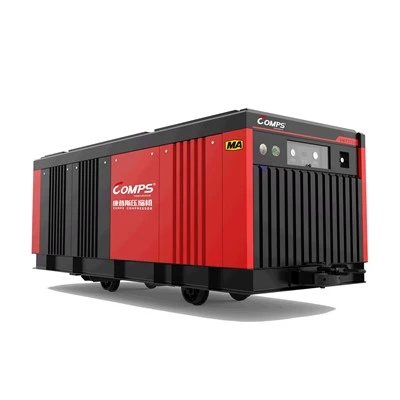
At the end of the day, a diesel air compressor is a big investment—sometimes $10,000 to $50,000 depending on size and features—and proper installation is the difference between a unit that runs reliably for 10+ years and one that needs repairs every few months. As a diesel air compressor supplier, my job isn’t just to ship you a piece of equipment; it’s to make sure you set it up right so you can get the most out of it. If you’re in the market for a new diesel air compressor, or you need help troubleshooting an existing unit’s installation, feel free to reach out to connect for a consultation. We offer on-site installation support for clients across the country, and we’ll walk you through every step to ensure your compressor meets all safety and performance requirements.
Diesel Air Compressor References:
- Occupational Safety and Health Administration (OSHA). "Powered Industrial Trucks and Construction Equipment Safety Standards." 2021.
- Compressed Air Gas Institute (CAGI). "Installation Guidelines for Stationary Diesel-Powered Air Compressors." 2022.
- National Fire Protection Association (NFPA). "Standard for Portable Diesel Air Compressor Safety." NFPA 5000, 2020.
- American Society of Heating, Refrigerating and Air-Conditioning Engineers (ASHRAE). "Ventilation Requirements for Internal Combustion Engines in Confined Spaces." 2023.
Comps Compressor (Shijiazhuang) Co., Ltd.
As one of the most professional diesel air compressor manufacturers and suppliers in China, we’re featured by quality products and good price. Please rest assured to buy customized diesel air compressor made in China here from our factory. Also, pricelist is available.
Address: No.172, Nanche Road, Shijiazhuang Equipment Manufacturing Industrial Park, Luancheng District, Shijiazhuang City, Hebei Province
E-mail: kpswmb@kangpusi.com
WebSite: https://www.comps-compressor.com/
