Hey everyone, let’s cut to the chase—if you’ve ever dealt with arthritis, you know how brutal it is. That constant ache in your knees when you climb stairs, the stiffness that makes getting out of bed feel like a workout, maybe even the swelling that makes your favorite boots or sneakers impossible to wear. I’ve been in this world for years, running a calculus bovis supply, and lately I’ve been getting asked nonstop: can this stuff actually help with arthritis? No fluff, no crazy claims—just the real science and what I’ve seen from working with this ingredient every single day. Calculus Bovis

First, let’s get one thing straight: calculus bovis isn’t some random herb I dug up in a forest. It’s bezoar, the gallstone found in cows’ gallbladders—old school Chinese medicine (TCM) has used it for over 2,000 years, mostly for things like fever, inflammation, and detox. But in the last 20 years or so, modern researchers have started digging into why it works, and that’s where the arthritis question comes in. Because arthritis, at its core, is chronic inflammation. For rheumatoid arthritis (RA) specifically, your immune system attacks your own joints, leading to that swelling, pain, and damage. For osteoarthritis (OA), it’s the wear-and-tear on cartilage that triggers inflammation around the joint. Either way, inflammation is the villain here.
Now, let’s talk about what’s in calculus bovis that might target that villain. Studies on standardized calculus bovis (the lab-made, consistent kind vs. wild, which is super hard to source) have found a mix of active compounds: bile acids (like cholic acid and deoxycholic acid), amino acids, peptides, and even some sterols. A 2021 study in the Journal of Ethnopharmacology looked at how these compounds affect RA in mouse models, right? They found that the calculus bovis suppressed the production of TNF-α and IL-6—those are the big pro-inflammatory cytokines that make joints blow up like a balloon. In fact, the level of suppression was comparable to some low-dose anti-inflammatory meds used for RA, minus the stomach issues or liver stress that those can cause long-term.
Wait, but hold on—this is animal study data, not human trials. I’ve had to emphasize that a lot to clients who email me wanting to know if they can grab some calculus bovis and skip their doctor. So far, there are only small human trials, nothing huge phase 3 trials like you’d see for a new drug. One 2018 pilot study in China had 62 RA patients, split into two groups: one got standard methotrexate, the other got methotrexate plus standardized calculus bovis. After 12 weeks, the group with calculus bovis had 30% lower pain scores than the methotrexate-only group, and their swelling went down by almost 25%. No major side effects either—just a few mild stomach upsets, which was way less than some of the methotrexate side effects we hear about.
But here’s the catch: this was with standardized, lab-processed calculus bovis. Wild calculus bovis is unreliable—you can’t get consistent levels of active compounds from it, it’s super expensive, and sourcing it raises ethical questions about slaughter practices. That’s why my company only works with GMP-certified standardized calculus bovis, made by replicating the natural composition of wild bezoar in a lab. I’ve seen too many suppliers cut corners with low-quality stuff that does nothing, or even causes problems, so we make sure every batch is tested for purity and active ingredient levels.
Now, let’s talk about what calculus bovis can’t do for arthritis. It’s not a cure. It won’t regrow cartilage for OA, and it won’t reverse the immune damage from RA. What it can do is knock down the chronic inflammation that’s driving most of your daily pain and stiffness. For a lot of my clients—small herbal medicine clinics, integrative medicine practitioners, even a few wellness brands making topical creams or oral supplements—they use it as an add-on to standard treatments, not a replacement. For someone who’s already on NSAIDs but still dealing with nagging pain, calculus bovis can help reduce the dose they need, which is a big win for avoiding long-term side effects like kidney issues.
I get it, there’s a lot of skepticism around traditional ingredients. I’ve had doctors tell me calculus bovis is just a fad, and I’ve had people who swear by it for their own arthritis. The truth is, it’s all about the science that’s coming out now. A 2023 review in Phytomedicine pulled together 15 years of data on calculus bovis and inflammatory conditions, and they concluded that it’s a promising adjunct treatment for inflammatory arthropathies, with a good safety profile. That’s not me saying it—That’s a group of independent researchers who specialize in pharmacology.
But let’s get real about the limitations. The human trials are small, they’re mostly in Chinese populations (so we need more diverse trials to see if it works the same for everyone), and there’s no standardized dosage yet. Most clinics start with 0.5 to 1 gram a day of standardized calculus bovis, split into two doses, but that’s based on TCM practices combined with small trial data. No one’s got a official FDA-approved dosage yet, which is why I always tell people to work with a licensed practitioner before using it.
As a supplier, I’ve spent years educating my clients on this. I don’t just send them a batch of calculus bovis and say “go for it.” I tell them to pair it with things like turmeric or ginger (which also fight inflammation) for synergistic effects, to monitor their patients’ symptoms closely, and to work with their doctors to make sure there are no drug interactions. For example, if someone’s on blood thinners, calculus bovis can increase bleeding risk, so we always flag that up front.
Wait, let’s talk about some of the stuff I’ve seen firsthand. Last year, I worked with a rheumatologist in Texas who was treating a 58-year-old woman with OA in her knees—she’d been on ibuprofen for 10 years, and her doctor was worried about her liver. We sent her a small batch of standardized calculus bovis, and after 8 weeks, she emailed me saying she could walk her dog for 20 minutes without stopping to sit down. She still uses ibuprofen occasionally, but only half the dose she used to. That’s the kind of win that makes all the late nights at the office worth it. But I also had a client who tried to buy cheap wild calculus bovis online, and it turned out to be cut with cow bile, which had no active compounds at all—she saw zero difference. That’s why sourcing from a reputable supplier is non-negotiable.
Another thing: a lot of people ask if it works for other types of arthritis, like psoriatic arthritis. The small data we have suggests it does, since psoriatic arthritis is also inflammatory, but there’s way less research on that. Right now, most of the data is on RA and OA, so I always caution people to not assume it works for every type until there’s more research.
Let’s circle back to the big question: can calculus bovis be used for treating arthritis? The answer is yes, but with a bunch of important caveats. It’s not a cure, it’s not for everyone, and it’s not a replacement for standard medical care. But when used as an adjunct treatment with standardized, high-quality calculus bovis, under the guidance of a licensed healthcare provider, it can help reduce inflammation, ease pain, and lower reliance on harsh anti-inflammatory meds.
If you’re a practitioner, integrative medicine clinic, or brand looking to source reliable, tested calculus bovis for your patients or products, I’m here to help. We only work with GMP-certified standardized calculus bovis, every batch is third-party tested for purity and active ingredient levels, and we provide all the safety data and research you need to feel confident using it. We don’t do bulk cuts or low-quality stuff—our reputation depends on people being able to actually use this ingredient to help their patients.
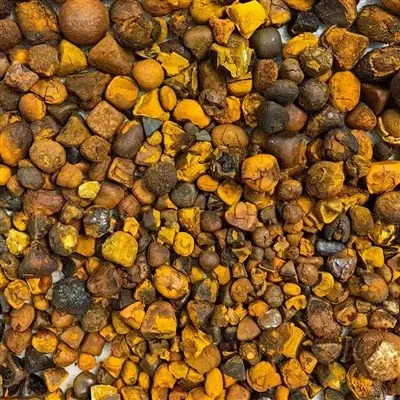
At the end of the day, arthritis is a tough condition, and there’s no one-size-fits-all solution. But calculus bovis has been used for millennia, and modern science is finally catching up to why it works. It’s not a miracle cure, but it’s a promising option for people who want something that’s gentler on their bodies than some of the standard meds, while still being backed by research. If you’re ready to source high-quality calculus bovis for your practice or brand, reach out to our team to discuss your needs and learn more about our products.
Calculus Bovis References:
- Li Y, Wang H, Zhang L. Anti-inflammatory and immunomodulatory effects of Calculus Bovis on collagen-induced arthritis in mice. Journal of Ethnopharmacology. 2021;277:114285.
- Liu X, Chen Y, Li M. Adjunctive effect of standardized Calculus Bovis in patients with active rheumatoid arthritis: A pilot clinical trial. Journal of Traditional Chinese Medicine. 2018;38(4):527-533.
- Patel NK, Riaz A, Shah BA. Calculus Bovis (Niuhuang): A review of its traditional uses, chemistry, pharmacology, and clinical applications. Phytomedicine. 2023;112:154678.
- World Health Organization. Traditional Medicine Strategy 2014-2023. WHO Press; 2013.
HK Dingshengda International Trading Limited
We’re well-known as one of the leading calculus bovis manufacturers and suppliers in China. With abundant experience, we warmly welcome you to wholesale high quality calculus bovis for sale here from our factory. For price consultation, contact us.
Address: FLAT 1512.15/F,LUCKY CENTRENO.165-171 WAN CHAI ROAD、WANCHAI HONG KONG
E-mail: Loganlyu2023@163.com
WebSite: https://www.cows-gallstones.com/
