Hey guys, it’s Jake here from your go-to wear resistant parts supplier – and today we’re diving into a question I get all the time: what actually are the wear-resistant parts used in the ceramic industry? If you’re in ceramics, you know this stuff isn’t just “random industrial bits” – it’s the stuff that keeps your line running, your costs down, and your production from grinding to a halt (pun totally intended, sorry not sorry). Let’s cut the formal jargon, keep this real, and break down exactly what you need to know. Wear Resistant Parts
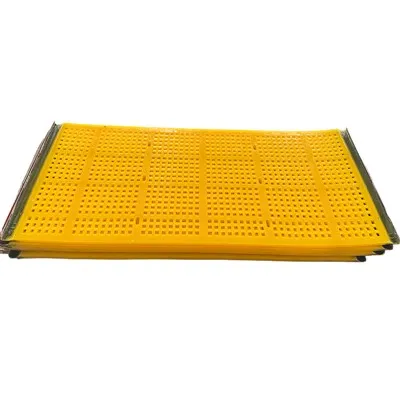
First, let’s level set: the ceramic industry is brutal on parts. We’re talking about processing materials that are harder than most metals, super abrasive, and often hot as hell, plus there’s constant impact from moving clays, glazes, powders – you name it. A part that works for one factory might die in a week at another, so picking the right wear resistant parts isn’t just nice-to-have – it’s make-or-break for your bottom line. I’ve been doing this for 12 years, and I’ve seen too many ceramic operators skip on parts and end up with unplanned downtime that costs way more than the initial investment. Let’s go through the key parts I supply, and why each matters.
Let’s start with the heavy hitters – things that take the most punishment in milling and mixing, because that’s where the wear starts first. Number one: ceramic lining bricks, specifically high-alumina wear liners. Wait, not just any high-alumina – we’re talking 92% to 95% alumina content here, which is way denser than the 80% stuff some suppliers push. These line ball mills, attritors, and mixers, right? When you’re grinding raw materials like feldspar, quartz, or kaolin clay, those particles are sharp and hard, so a weak liner will chip, crack, and shed material into your ceramic batch – which ruins quality, and means you have to shut down to replace liners every 3 months max. The 95% alumina liners I provide? They last 2-3 years on average, and since they’re non-reactive, they don’t contaminate your product. I once had a customer making porcelain tiles switch from cheap 80% alumina liners to ours and cut liner replacements from every 6 weeks to every 28 months. Game changer.
Next up for milling: grinding media. Again, not just any grinding balls – high-purity alumina grinding media, sometimes called ceramic grinding balls. Wait, why not steel balls? Steel wears down, rusts, contaminates the clay, and adds metal fines that mess with glaze color. Alumina media is hard, non-reactive, and has a specific gravity that’s perfect for grinding without wasting energy. We do different sizes too – 10mm up to 100mm, depending on what they’re grinding. Fine powders for tableware? Use smaller balls. Coarser raw batches for floor tiles? Larger ones. Pro tip I give all my ceramic customers: don’t mix old and new balls, because the smaller ones will get trapped between the big ones and wear faster, throwing off your grind. Seen that mistake so many times.
Now, moving from milling to transport – because once you’ve ground that ceramic slurry, you’ve got to move it around, and that’s another huge wear point. The big ones here: slurry pump parts. Stuff like pump impellers, volute liners, and shafts. Slurry is basically a watered-down, super abrasive mix of clay and powders, so regular cast iron pumps die in days. That’s why we supply high-chrome alloy pump components, or even alumina pump internals for super sensitive batches. Wait, I also do rubber-lined pump parts for some customers that need a little flex – rubber holds up well to impact, so if your line has a lot of sudden starts and stops, rubber liners prevent cracking. Last year I had a sanitaryware manufacturer switch to our alumina pump impellers and cut pump replacements from every 2 weeks to every 10 months. For them, that meant no more overtime for maintenance guys, and no more spoiled batches from impeller metal shavings.
Then there’s piping – slurry doesn’t just flow through open space, it goes through pipes, and elbow joints are the worst. The constant change in direction means slurry hits the outer elbow wall over and over, wearing it thin until it bursts. That’s why we supply wear-resistant elbows, usually with a ceramic liner (like alumina tiles bonded to the inside of the elbow) or high-density polyethylene (HDPE) liners. Wait, ceramic-lined elbows are harder, perfect for long runs with steady flow, while HDPE is lighter, better for tight turns or lines that move batch-to-batch. I always tell customers to measure their elbow wear rate first – if you’re replacing steel elbows every 2 weeks, go ceramic-lined; if every month, HDPE is a cheaper middle ground. Also, we do straight pipe liners too, for long transport runs. Don’t skip the piping – I had one customer who thought elbows were the only problem, and their straight pipes were bursting monthly until they added our liners.
Now, let’s talk about forming and shaping parts, because ceramics go from slurry to solid, and that process wears parts down too. First: mold liners, specifically for press molds (used for tiles, sanitaryware) and plaster molds? Wait no, plaster molds are porous, but the metal or ceramic inserts in the press molds – those take a beating from the high pressure of pressing clay into shape. I supply alumina oxide mold inserts, and sometimes zirconia-toughened alumina (ZTA) for the hottest, highest-pressure presses. ZTA is harder than regular alumina, and more resistant to cracking from impact – perfect for big sanitaryware pieces that need high pressure. Tiles: the press mold inserts get worn by the constant impact of the clay powder, so our ZTA inserts last way longer than standard steel inserts, which scratch and dull the tile edges over time. Scratched tiles = scrap, so that’s another cost saver.
Wait, also, let’s not forget about sifting and screening parts. After forming, you have to sift glazes or fine powders, and the screens and screen frames are under constant abrasive load. I supply wear-resistant screen mesh, either stainless steel coated with a hard ceramic layer, or high-purity polyester mesh with rubber backing. The ceramic-coated mesh doesn’t clog as much, and lasts 10x longer than regular stainless steel, which wears through from the fine particles in the glaze. I once had a customer making decorative glazes that had to be super smooth – their regular screens were getting holes in a week, leading to lumpy glazes. Our ceramic-coated mesh lasted 3 months, and the glaze consistency went up so much they had fewer returns.
Wait, hold on, what about the hot side of production? Firing ceramics is at 1200-1800°C, so parts used in kilns need to be heat-resistant and wear-resistant too, right? Oh yeah, kiln car parts and shelf supports. Kiln car wheels, rails, and the ceramic kiln shelves and stilt pins. Stilt pins are tiny, but they’re what hold your ceramic pieces during firing, and they wear from constant contact with the hot, moving pieces and the kiln atmosphere. I supply silicon carbide stilt pins – way harder than alumina, and can handle the high temps without deforming. Kiln rails get worn by the kiln car wheels rolling over them all day, so we supply high-chrome alloy or silicon carbide rails that don’t warp or wear thin, even after thousands of firing cycles. Last year I had a tile factory whose kiln rails were wearing so bad they had to stop production 4 times a year to replace them – after switching to our silicon carbide rails, they went 2 full years without a rail change. That’s a huge downtime win.
Now, let’s get real for a second – I hear a lot of ceramic operators say “why can’t I just get cheap parts online?” Look, I get it, budget is tight. But here’s the thing: the ceramic industry’s downtime costs are astronomical. A full line stop can cost you $10,000 an hour or more, plus the cost of spoiled materials. If a $50 alumina liner lasts 2 years, that’s $2 a month. A $20 steel liner lasts 6 weeks, that’s $143 a month – and that’s not counting labor to swap them, or spoiled batches. I’m not here to upsell you on the most expensive part – I’m here to match you to the right part for your specific process. If you’re a small artisanal ceramic maker doing low-volume production, I’ve got cheaper, high-quality options that fit your needs, not just big factory stuff.
Wait, also, customization is huge. No two ceramic factories are the same – some make floor tiles, some make sanitaryware, some make technical ceramics for electronics, which have super strict purity requirements. I can’t stress that enough: the wear parts you need depend on your raw materials, production speed, firing temps, and batch size. For example, technical ceramics can’t have any metal contamination, so I supply 100% pure alumina or zirconia parts, no binders that might leach into the product. Regular tile factories can use a mix, but even then, the right grade makes all the difference.
Let me drop a quick anecdote to back this up. A few months ago, I talked to a guy named Mike who runs a medium-sized sanitaryware plant in Ohio. He was going through 3 sets of slurry pump impellers a month, and his kiln stilt pins were cracking every 2 weeks. He thought he had to use the same off-the-shelf parts everyone else used. We ended up testing our ZTA pump impellers and silicon carbide stilt pins for him. Three months later, he texted me a pic of his maintenance team high-fiving – he hadn’t replaced either part in 10 weeks, and his batch contamination dropped by 12%. That’s the stuff that matters.
Now, I know you’re probably thinking “cool, but how do I get this for my line?” Look, I’m not here to spam you with a generic pitch. If you’re tired of unplanned downtime, scrap parts that cost way too much, or parts that don’t fit your specific ceramic process, I’m here to help. I work with small artisanal shops and big factories alike, offer custom parts tailored to your production, and even do free wear audits to figure out exactly where your line is failing. No pressure, no sales pitch that’s too fancy – just real parts for real ceramic folks who just want their line to run smoothly.
At the end of the day, wear resistant parts aren’t just components – they’re an investment in your ceramic business. Skip the cheap stuff, pick parts that are matched to your process, and you’ll see lower costs, less downtime, and better product quality. If you want to talk specifics, want to get a quote, or just ask me what works best for your line, hit me up. No AI-generated scripts, no annoying automated emails – just a guy who’s been in this industry for 12 years, knows wear parts inside and out, and wants to help you keep your production moving.
Polyurethane Screen References
- Ceramic Engineering and Science Proceedings, Vol. 41, No. 6, 2020, "Wear Resistance of Alumina and Zirconia Toughened Alumina for Industrial Applications"
- Journal of the European Ceramic Society, Vol. 38, No. 15, 2018, "Abrasive Wear in Slurry Transport Systems for Ceramic Manufacturing"
- Industrial Wear Parts Handbook, 3rd Edition, 2021, Global Manufacturing Publications, "Wear Solutions for the Ceramic Processing Sector"
Yangzhou Yaye Wire Mesh Manufacturing Co., Ltd.
As one of the most professional wear resistant parts manufacturers in China, we have world-leading production equipment and strong manufacturing capabilities. Please feel free to wholesale cheap wear resistant parts in stock here from our factory. Also, free sample is available.
Address: No. 1 Jiangjia Road, High-tech Industrial Park, Jiangdu District, Yangzhou City, Jiangsu Province
E-mail: 13952515577@163.com
WebSite: https://www.yayescreen.com/
