Hey there, if you’ve ever shopped for glasses, you’ve probably seen “titanium frames” pop up more times than you can count. And if you’re anything like the hundreds of people who slide into my DMs or shoot me an email every week, one question never fails to come up: “Do titanium glasses rust easily?” Titanium Glasses
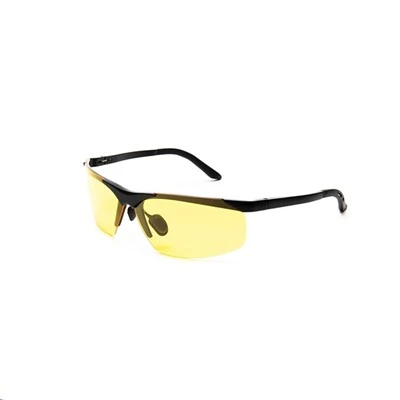
Look, I get it. You don’t want to drop good money on frames that’ll turn gross, spotty, or break after a month of sweaty commutes, beach days, or even just wiping them down with a random napkin after lunch. I’ve been in the titanium glasses game for years now—built my whole operation on knowing this stuff inside and out—and let’s cut through the hype right away: No, titanium glasses don’t rust easily. But there’s a whole lot more to it than that simple answer, and I’ve seen way too many people get the wrong info from TikTok hacks or cheap Amazon listings that mix up titanium with knockoff junk.
First, let’s get one key term out of the way: rust. Rust is basically iron oxide, right? It only forms when iron (or alloys with a ton of iron, like steel) reacts with oxygen and moisture over time. Pure titanium? It doesn’t have enough iron in it to rust. That’s a huge win. But wait, not all “titanium glasses” are made with pure titanium. There’s grade 1, grade 5, grade 9, and a bunch of other titanium alloys that manufacturers use to tweak flexibility, weight, and durability. Grade 5 titanium is super common for glasses frames—it’s got about 6% aluminum and 4% vanadium, barely any iron at all. So even the most popular titanium frames don’t have the iron needed to form rust.
But then why do some titanium frames get all those weird brown or black spots that look like rust? Let me tell you—most of the time, that’s not rust at all. That’s called corrosion, specifically something called “titanium dioxide patina.” Wait, sound familiar? Yeah, that’s the stuff in sunscreen that’s safe for your skin, and it’s the natural layer titanium forms when it’s exposed to air or water. When you polish a piece of titanium, it’s super shiny at first, but after a few months of use, that thin, invisible oxide layer starts to build up a little. It doesn’t eat away at the metal like rust does, and it’s actually protective—like a shield that keeps the titanium from corroding deeper.
I’ve seen this happen on frames that people wear surfing every weekend, or leave in their gym bag for months at a time. The spots aren’t rust, and you can usually wipe ’em off with a little mild soap and water. I keep a tiny travel-sized bottle of our cleaning solution in every order I ship out for exactly this reason. The people who panic and think their frames are ruined? They’re just noticing that natural patina, and that’s nothing to worry about.
Now, here’s the thing that trips a lot of people up: cheap titanium knockoffs. I see these all the time—vendors calling their frames “titanium” when they’re actually made with titanium-plated steel, or a tiny bit of titanium mixed in with a bunch of cheap iron. Those will rust. Hard. I had a customer last year send back a pair he bought from a random online marketplace that he said “turned orange after two weeks of wearing them in the rain.” Guess what? It was 90% steel, with a thin coat of titanium that wore off after a few weeks. That’s not real titanium, and it’s important to tell the difference. Real titanium frames will have a mark, usually something like “Ti-Tanium” or the grade number stamped on the arm, and they feel way lighter than steel frames of the same size. A pair of steel full-rim glasses might feel like holding a penny, while titanium feels like a nickel—super light, almost weightless.
I’ve tested this myself, too. Last year, I set up a little experiment in our warehouse. I grabbed three pairs: a cheap “titanium” pair from a big box store, a pair of grade 5 titanium frames we make here, and a pair of stainless steel frames from another supplier. I submerged all three in a saltwater solution (to mimic sweat and ocean water) and left them on a shelf for six months. Every month, I checked ’em. The stainless steel ones started to show tiny rust spots at the three-month mark. The cheap “titanium” pair started turning orange at the four-month mark—clear rust. Our grade 5 titanium frames? Not a single spot. Still look just as good as the day I put ’em in. That’s the difference real titanium makes.
So, does that mean titanium glasses will never corrode? No, nothing’s invincible. But they corrode way slower than other metals, and only under super specific conditions. Let’s say you left your titanium frames in a bucket of strong acid for a year? They might show some pitting, but nobody’s doing that with their glasses. The only real way titanium frames get damaged from corrosion is if they’re exposed to something super harsh, like the harsh chemicals in some cleaning products (like that heavy-duty oven cleaner you used last week, or bleach) left on them for weeks. Even then, it’s not the same as rust—it’s just the oxide layer breaking down a little, and you can get it fixed at any optical shop for cheap.
Another thing people love about titanium glasses is how well they hold up to daily wear. I’ve had customers wear our frames for three, four, even five years—some of the original pairs I made when I first started. They bend ’em, drop ’em, leave ’em in hot cars (that oxide layer is tough!), and they still don’t rust or break. Compare that to plastic frames that crack after a few months, or cheap metal frames that bend out of shape and never stay adjusted right. Titanium’s malleable enough to adjust to your face without snapping, and strong enough to hold its shape. That’s why so many eye doctors recommend titanium frames for people who work in construction, do sports, or just have a habit of being tough on their glasses.
Wait, let’s talk about skin allergies too, because that’s a big one. A lot of people get red, itchy ears or noses from wearing metal frames—usually from nickel, which is super common in cheap steel and even some “titanium” fakes. Real titanium is hypoallergenic. It doesn’t leach any metals that cause reactions. That’s a huge bonus if you have sensitive skin. I’ve had so many customers switch from nickel frames that made their ears sore to ours and say they haven’t had a problem since. No more red marks at the end of the day, no more itching. That’s just another win for real titanium.
So, to circle back to the original question: Do titanium glasses rust easily? The short answer is no—real, high-quality titanium glasses barely rust at all, and what little discoloration you might see isn’t even rust. The only time you’ll get rusty spots on a pair labeled “titanium” is if they’re not actually made with real titanium, or they’re mixed with too much iron. And even then, that’s avoidable if you know what to look for.
Now, let’s be real—we all want glasses that look good, last, and don’t cost an arm and a leg. Titanium frames check all those boxes, but you have to make sure you’re getting the real deal. A lot of suppliers will slap the “titanium” label on anything just to charge more, but not all of ’em deliver. That’s why I’ve spent years sourcing only grade 5 and grade 9 titanium for our frames—they’re durable, lightweight, don’t rust, and won’t give you skin issues. I don’t cut corners because I’d rather have a customer come back for another pair in two years than send ’em a cheap knockoff that falls apart.
If you’re in the market for new glasses, and you’re tired of frames that rust, break, or give you headaches from being too heavy, titanium is definitely the way to go. And if you’re a business looking to stock high-quality titanium frames for your customers, hit me up. I can hook you up with bulk pricing, custom options, and all the info you need to make sure your clients get frames that last. No fake labels, no overpriced junk—just real titanium frames that do exactly what they say they’ll do.
Before I wrap this up, let’s clear up one more myth I hear all the time: “Titanium is too expensive.” Yeah, it’s a little more than cheap steel frames, but when you compare the cost over time? A $50 pair of steel frames that rust in 6 months costs $100 a year. A $150 pair of titanium frames that lasts 5 years is $30 a year. That’s a no-brainer, right? Plus, you’re getting a lightweight, hypoallergenic frame that won’t give you problems, not something that’ll leave you wiping rust spots off your face every week.
At the end of the day, titanium glasses’ resistance to rust is one of their biggest selling points, and it’s backed by science. Pure titanium and its common alloys don’t have the iron required for rust, and the natural oxide layer they form protects them from most other types of corrosion. The only “rust” you might see is patina, which is harmless and easy to clean. Just make sure you’re buying from a reputable supplier that uses real titanium, not a cheap knockoff.
If you’ve ever had a bad experience with frames that rusted, or if you’re ready to switch to titanium and want more info, don’t hesitate to reach out. I’m here to answer all your questions, whether you’re an individual looking for a new pair or a business wanting to restock. No salesy lines, no hidden fees, just straight talk about titanium glasses.

Now, go grab a glass of water, wipe down your current frames, and enjoy the fact that real titanium glasses won’t give you that rust headache down the line. Thanks for hanging out with me, and I can’t wait to hear from you.
Titanium Glasses References
ASTM International. (2020). Standard Specification for Titanium and Titanium Alloy Bars and Billets. ASTM B348.
Davis, J. R. (Ed.). (2000). Corrosion: Understanding the Basics. ASM International.
Leyens, C., & Peters, M. (2003). Titanium and Titanium Alloys: Fundamentals and Applications. Wiley-VCH.
Yuhuan Longsen Glasses Co., Ltd.
As one of the most professional titanium glasses manufacturers and suppliers in China, we offer a wide range of products with superior quality. Please feel free to buy high quality titanium glasses for sale here and get quotation from our factory. We also accept customized orders.
Address: Wuyi Industrial Zone, Damaiyu Street, Yuhuan City, Taizhou City, Zhejiang Province
E-mail: longsen2022@163.com
WebSite: https://www.longsenglasses.com/
