Hey there, if you’ve ever dived into the world of metal roofing, you know that the roof roll forming machine is basically the backbone of the whole operation. As a supplier who’s been fielding questions about these machines for years, one of the most common things I get asked is, “What materials can actually run through one of these things?” It’s not a one-size-fits-all answer, and picking the right material makes all the difference in whether your finished roof panels hold up, look good, and don’t turn into a total headache. Let’s break this down like we’re chatting over a coffee (no stuffy jargon, promise). Roof Roll Forming Machine

First off, let’s get one thing straight: roof roll forming machines are built to shape metal—wait, but hold up, do they ever do non-metal? Rarely, but we’ll stick to the main stuff that every fabricator works with. Most of these machines are heavy-duty, designed to bend and form flat coils into those corrugated, standing-seam, or ribbed panels you see on every warehouse, suburban home, and barn. The material has to be malleable enough to be rolled into the right shape without cracking, but strong enough to withstand the elements once it’s installed. So here’s the lowdown on the most popular materials I see our customers using every single day.
Starting with the big one: Galvanized Steel. This is the workhorse of the roofing world, no cap. Galvanized steel is regular steel that’s been coated with a layer of zinc to keep it from rusting. The zinc acts like a shield, so even if the coating gets scratched, the steel underneath doesn’t corrode right away. It’s super durable, affordable, and comes in a ton of different gauges (thicknesses)—usually between 22 and 29 gauge for roofing, though some thicker stuff works too. I’ve run our customers’ machines with galvanized steel coils for years, and the only trick here is making sure the rolls on the machine are properly aligned. If they’re not, the zinc coating can scrape off, and that defeats the whole purpose. Also, don’t skip pre-cutting the coils to the right width—most roll formers can handle coils up to 5 feet wide, so measuring once here saves you a ton of time later. A lot of our small business customers love galvanized steel for residential jobs because it’s cheap, easy to install, and doesn’t require a lot of fancy maintenance. I had a guy last month who does 10-12 roof jobs a year tell me he swears by it—said he’s had panels last 15 years with almost no issues. That’s the stuff.
Next up: Aluminum. If galvanized steel is the workhorse, aluminum is the lightweight, fancy cousin. It’s way lighter than steel—like 1/3 the weight—so it’s perfect for jobs where the roof structure can’t handle heavy materials. Think older homes with weak rafters, or commercial buildings that need to cut down on load to save money. Aluminum also doesn’t rust, which is a huge plus for coastal areas where salt air would eat through steel like nothing. It’s resistant to corrosion, so it’s great for beach towns or areas with high humidity. The downside? It’s softer than steel, so you have to run it through the roll former at a slower speed. If you crank the machine too fast, the metal can tear or wrinkle, especially on thinner gauges. Most aluminum roofing is 24 to 28 gauge, and it can be coated too—like Kynar 500 paint, which makes it even more weather-resistant and gives it that nice, long-lasting color. I had a customer in Florida last year who was doing a whole row of beachfront cottages, and he exclusively used aluminum. He said no matter how much salt wind blows, the panels don’t fade or corrode, and the crews love hauling them up ladders because they’re so light. Fair enough.
Then there’s Stainless Steel. Wait, is that overkill? Maybe, but some jobs call for it. Stainless steel is 100% rust-proof, way stronger than galvanized or aluminum, and it holds up in pretty much any environment—including places with super harsh chemicals, like industrial factories or hospitals. It doesn’t stain, it doesn’t dent easily, and it has a sleek, modern look that’s popular for commercial projects. The catch? It’s way more expensive than the other two, and it’s also harder on the roll forming machine. Because stainless is tough, it wears down the rollers faster, and you have to use higher-quality lubricants to keep it from seizing up. Also, you have to adjust the machine’s settings to put more pressure when forming—if you don’t, the panel won’t hold its shape, and you’ll end up with a bunch of scrap. I only see a handful of our customers use stainless steel, mostly big construction companies doing high-end commercial builds. They’re willing to pay extra for the longevity, and honestly, it’s a good call—stainless steel roofs can last 50+ years with no issues, which makes the cost worth it in the long run. I had a guy who built a food processing plant a few years back; he needed something that wouldn’t get contaminated or rust from cleaning chemicals, and stainless was the only option. No regrets, he said.
Wait, what about Prepainted Steel? Oh, that’s a huge one for residential roofing. A lot of the galvanized or aluminum I mentioned comes pre-painted, right? Prepainted steel (sometimes called PPGI, or pre-painted galvanized iron) is steel that’s had a layer of paint applied before it’s rolled into panels. The paint is usually a special coating that’s fade-resistant, so it keeps its color for years, and it comes in every color under the sun—navy, red, gray, even pastel shades. This is why you see those pretty, custom-colored roofs on new subdivisions. The key with prepainted material is not scratching the paint during the roll forming process. You have to make sure the rollers are smooth, no sharp edges, and you use the right lubricant—something that doesn’t damage the paint. If you use a harsh oil, it can eat into the coating, leaving ugly marks that you can’t fix. A lot of our residential customers go with prepainted because it’s cheap, comes in tons of colors, and looks way nicer than plain metal. I actually just helped a customer pick out a sky-blue prepainted steel for a new home he’s building; he wanted something that would stand out without being too loud, and it turned out great.
What about zinc roofing? Wait, that’s a specialty material, but it’s super popular for historic buildings or high-end residential. Zinc is a pure metal, right? It’s soft, so it forms really intricate shapes—like those curved panels you see on old churches or luxury homes. It develops a patina over time, that grayish-blue layer that makes it look even better as it ages. The downside? It’s pricey, and it’s way softer than steel or even aluminum, so you have to run it through the roll former at super slow speeds. Also, it’s not the best for areas with heavy foot traffic if you’re doing roof work later on, because it can dent easily. But for projects where you want that timeless, elegant look, it’s worth it. I worked with a contractor a couple years back restoring a 100-year-old mansion in New England, and he used zinc for the roof. He said it’s been 3 years, and the patina is perfect, no rust, and it looks way better than any other material could.
Wait a second, should I mention things to avoid? Like, don’t run material that’s too thin or too thick for your machine. A lot of new fabricators make this mistake—they buy a roll former that’s rated for 26 gauge, then try to run 22 gauge steel through it, and end up bending the rollers or tearing the metal. Gauge is super important here, so always check your machine’s specs before buying material. Also, avoid material that’s damaged, like coils with dents or scratches. If the coil is already messed up before it hits the roll former, you’re going to get messed up panels, and that’s just wasted money. I tell all my customers to inspect every coil when it arrives, before they even load it into the machine. Save yourself the hassle.
Another thing I get asked all the time: can you run non-metal materials? Like, plastic or composite? The short answer is, some specialty roll formers can, but that’s not the standard stuff most of us use. Metal is still the go-to for roofing because it’s durable, fire-resistant, and holds up way better than plastic. I’ve had a couple of customers ask about running composite roofing material, and we have modified machines that can do that, but it’s not as common. Most people stick to metal, so that’s what we focus on.
Let’s also talk about why the material choice matters for the machine, not just the final product. Like, if you’re running heavy-gauge stainless steel, your machine needs to have more horsepower, right? Thicker material requires more force to bend, so a machine with a 5 HP motor is fine for 29 gauge galvanized, but you need 10+ HP for stainless. Also, the roller material matters—for soft aluminum, you can use steel rollers, but for stainless, you want hardened steel rollers that don’t wear out. I always tell customers when they’re buying a roll former, to tell me exactly what materials they’re going to run, not just that they want a “roof panel machine.” That way, I can set them up with the right specs, and they don’t have to upgrade later. I had a customer who bought a basic machine without telling me he wanted to run stainless, and he had to send it back to get new rollers and a bigger motor. That cost him thousands, so I make sure everyone knows to be upfront about their material.
Wait, let’s circle back to common scenarios, because that’s what people care about. If you’re a small residential roofer, starting out, galvanized steel or prepainted steel is perfect—affordable, easy to run, no fancy machine needed. If you’re doing coastal jobs, aluminum is the way to go, even if you have to slow the machine down a little. If you’re doing a commercial industrial build, stainless steel might be overkill, but maybe galvanized with a thicker gauge or a better coating will work. If you’re restoring a historic building, zinc is your guy. It’s all about matching the material to the job, and making sure your roll former can handle it.
At the end of the day, I’ve been in this game long enough to know that the best material is the one that fits your specific needs—budget, location, project type, all that. It’s not about picking the most expensive or the fanciest, it’s about picking what works. And as a supplier, my job is to help you figure out exactly what your machine can handle, what materials will work for your jobs, and make sure you’ve got the right equipment to get it done without headaches.
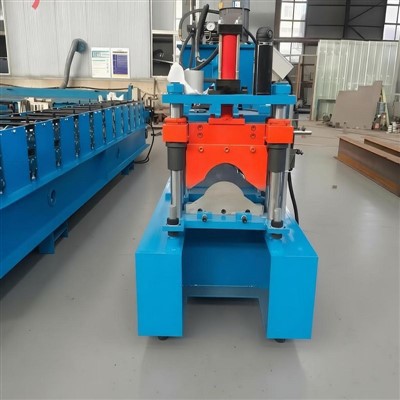
If you’re in the market for a new roof roll forming machine, or you’re thinking about upgrading the one you have to run a new material, hit me up. No pushy sales talk, just real advice from someone who’s been in the trenches with these machines for years. We can chat about your specific projects, what materials you’re working with, and find the perfect setup for you. Don’t overcomplicate it—let’s make this easy.
Roof Roll Forming Machine References
- Metal Roofing Association. (2022). "Material Specifications for Roll Formed Roof Panels." Industry Technical Report.
- Roll Forming Institute. (2021). "Best Practices for Forming Common Roofing Materials." Practical Guidelines for Fabricators.
- Construction Materials Council. (2023). "Corrosion Resistance of Metal Roofing Materials in Coastal Environments." Field Study Report.
Botou Shengda Cold Forming Machinery Equipment Manufacturing Co., Ltd.
As one of the most professional roof roll forming machine manufacturers and suppliers in China, we’re featured by quality products and good price. Please rest assured to buy durable roof roll forming machine made in China here from our factory. Contact us for more details.
Address: Liuxin Village, Botou Town, Botou City, Cangzhou City, Hebei Province
E-mail: cangzhoushengda888@163.com
WebSite: https://www.sdrfm.com/
