Hey there! I’m a supplier in the stainless steel game, and I’ve seen firsthand how this amazing material can be transformed into all sorts of shapes. Today, I’m gonna share with you some of the ways we form stainless steel into those different shapes. Stainless Steel
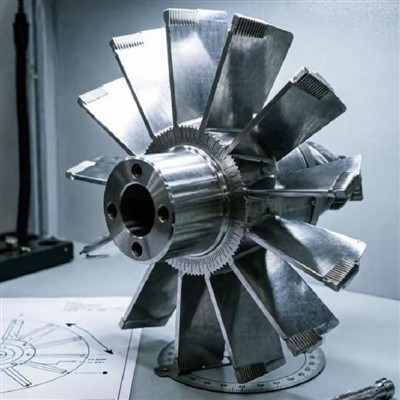
First off, let’s talk about why stainless steel is such a great choice. It’s super durable, resistant to corrosion, and looks pretty darn good too. Whether you’re making kitchenware, automotive parts, or even architectural structures, stainless steel can stand up to the test of time.
One of the most common ways we form stainless steel is through cutting. There are a few different cutting methods we use, depending on the thickness of the steel and the shape we’re trying to achieve. For thinner sheets of stainless steel, we often use laser cutting. It’s precise, fast, and can cut intricate shapes with ease. The laser beam melts, burns, or vaporizes the steel as it moves along the cutting path, leaving a clean edge.
Another method is plasma cutting. This is great for thicker pieces of stainless steel. Plasma cutting works by creating a high – energy plasma arc that melts the metal. It’s a powerful way to cut through thick steel quickly. We can also use mechanical cutting methods like shearing for thinner sheets. Shearing involves using large blades to cut the steel like scissors. It’s a cost – effective way to get straight cuts.
Once we’ve got the pieces cut to the right size, it’s time to start shaping them. Bending is a fundamental shaping technique. We use press brakes to bend stainless steel into angles and curves. The press brake uses a punch and a die. The punch comes down on the steel sheet, forcing it into the shape of the die. We can adjust the pressure and the angle of the punch to get different bend radii.
For more complex bends, we might use a roll forming machine. Roll forming is a continuous process where the stainless steel strip is passed through a series of rollers. Each set of rollers gradually bends the steel into the desired shape. It’s a great way to make long, consistent shapes like pipes or channels.
If we need to create three – dimensional shapes, we turn to stamping. Stamping involves using a stamping press and a die. The die is a custom – made tool that has the negative shape of what we want to create. The stainless steel sheet is placed between the die and the punch of the stamping press. When the press comes down, it forces the steel into the shape of the die. This is how we can make things like automotive body panels or kitchen sink bowls.
Casting is another option for forming stainless steel into complex shapes. In casting, we first create a mold of the desired shape. Then, we melt the stainless steel and pour it into the mold. Once the steel cools and solidifies, we remove it from the mold. Investment casting is a particularly popular type of casting for stainless steel. It allows us to create very detailed and accurate shapes. We use a wax pattern to create the mold, and then the wax is melted out before the steel is poured in.
Forging is a high – energy way to form stainless steel. In forging, we heat the stainless steel to a very high temperature until it becomes malleable. Then we use hammers or presses to shape the metal. Forging can improve the strength and grain structure of the stainless steel, making it even more durable. It’s often used for making parts that need to withstand high stress, like gears or shafts.
Now, let’s talk about some of the factors we need to consider when forming stainless steel. The type of stainless steel matters a lot. Different grades of stainless steel have different properties, such as their hardness, ductility, and corrosion resistance. For example, austenitic stainless steels are very ductile and can be easily formed, while martensitic stainless steels are harder and may require more force to shape.
The thickness of the stainless steel is also crucial. Thicker sheets are more difficult to cut, bend, and shape. We need to use more powerful equipment and may need to make some adjustments to the forming process.
The surface finish of the stainless steel is another important factor. If we’re forming a part that will be visible, we want to make sure the surface finish looks good. Sometimes, the forming process can leave marks or scratches on the surface. We can use techniques like polishing or grinding to improve the surface finish after forming.
As a stainless steel supplier, I know that every project is different. Whether you’re a small – scale manufacturer or a large construction company, we can work with you to find the best way to form your stainless steel into the shapes you need. We’ve got the experience, the equipment, and the knowledge to get the job done right.

If you’re in the market for high – quality stainless steel and need help with forming it into different shapes, don’t hesitate to reach out. We can have a chat about your project, discuss your requirements, and come up with a solution that fits your needs and your budget. Whether you need a few custom – shaped parts or a large – scale production run, we’re here to assist you. Let’s start a conversation about how we can make your stainless steel project a success.
Valve Castings References
- ASM Handbook Volume 14A: Metalworking: Bulk Forming. ASM International.
- "The Architecture of Stainless Steel" by World Stainless.
- Metals Handbook Desk Edition. ASM International.
Shandong Shunye Stainless Steel Co., Ltd.
Address: Shandong Province, Binzhou City, Wudi County, Liubao Town, Zhangdong Road, Duliucun Village
E-mail: sales@wdshunye.com
WebSite: https://www.shunyecasting.com/
