Having been in the hydraulic parts supply business for quite some time, I’ve witnessed firsthand how hydraulic oil contamination can spell disaster for hydraulic systems. Hydraulic parts are the lifeblood of countless industrial and mobile machinery, and the quality of the hydraulic oil they use is crucial to their performance and longevity. In this blog, I’ll delve into the various causes of hydraulic oil contamination in hydraulic parts, drawing from my experiences and industry knowledge. Hydraulic Parts

Ingress of Particulate Matter
One of the most common causes of hydraulic oil contamination is the ingress of particulate matter. These particles can come from a variety of sources, both external and internal to the hydraulic system.
External sources of particulate contamination include dust, dirt, and debris from the environment. In industrial settings, where hydraulic machinery often operates in harsh conditions, the air can be filled with fine particles. If the hydraulic system’s air breathers or seals are not properly maintained or designed, these particles can easily enter the system. For example, in a construction site, heavy equipment is constantly exposed to dust and dirt. If the hydraulic reservoir’s air breather filter becomes clogged or damaged, it can no longer effectively prevent the ingress of these contaminants, allowing them to enter the oil.
Internal sources of particulate matter can be generated within the hydraulic system itself. Wear and tear of components such as pumps, valves, and cylinders can produce metal particles. As the hydraulic parts move and interact with each other, friction causes the surfaces to wear, and small metal particles can break off and enter the oil. Additionally, the breakdown of seals and gaskets can also release rubber or plastic particles into the oil. Over time, these internal contaminants can accumulate and cause significant damage to the hydraulic system.
Water Contamination
Water is another major culprit when it comes to hydraulic oil contamination. Water can enter the hydraulic system in several ways. One common source is condensation. When the temperature of the hydraulic system fluctuates, water vapor in the air can condense inside the reservoir. This is especially common in systems that are exposed to large temperature variations, such as outdoor equipment. For instance, during the night, when the temperature drops, the water vapor in the air inside the hydraulic reservoir can condense on the cooler surfaces and form droplets, which then mix with the hydraulic oil.
Another source of water contamination is through leaks or improper maintenance. If there are leaks in the hydraulic system, water can seep in from the outside. This can be particularly problematic in applications where the equipment is exposed to water, such as marine or agricultural machinery. Additionally, if the hydraulic system is not properly maintained, and the oil is not changed regularly, water can accumulate over time and cause corrosion and other problems.
Water in hydraulic oil can have a detrimental effect on the performance of the hydraulic system. It can cause corrosion of metal components, reduce the lubricating properties of the oil, and promote the growth of bacteria and fungi. These issues can lead to increased wear and tear, reduced efficiency, and even system failure.
Chemical Contamination
Chemical contamination of hydraulic oil can occur due to a variety of factors. One common cause is the use of incompatible fluids. If the wrong type of hydraulic oil is added to the system, it can react with the existing oil and cause chemical changes. For example, some hydraulic oils are formulated with specific additives to improve their performance in certain applications. If a different oil with incompatible additives is introduced, it can lead to the formation of sludge or other deposits.
Another source of chemical contamination is the presence of contaminants in the environment. In some industrial processes, chemicals such as acids, alkalis, or solvents can come into contact with the hydraulic system. If these chemicals are not properly contained or if there is a spill, they can enter the hydraulic oil and cause damage. For instance, in a chemical manufacturing plant, if there is a leak of a corrosive chemical near a hydraulic system, the chemical can seep into the oil and corrode the components.
Microbiological Contamination
Microbiological contamination of hydraulic oil is often overlooked but can have serious consequences. Bacteria, fungi, and other microorganisms can grow in hydraulic oil under certain conditions. These microorganisms thrive in environments with water, nutrients, and the right temperature. As mentioned earlier, water contamination can provide a suitable environment for microbial growth. Additionally, the presence of organic matter in the oil, such as degraded additives or debris, can serve as a food source for the microorganisms.
Microbiological contamination can cause several problems in hydraulic systems. The growth of bacteria and fungi can produce slime and biofilms, which can clog filters and restrict the flow of oil. This can lead to increased pressure drop, reduced efficiency, and potential damage to pumps and other components. Moreover, the metabolic by – products of the microorganisms can be corrosive and can cause damage to the metal surfaces in the hydraulic system.
Contamination During Maintenance and Assembly
Contamination can also occur during the maintenance and assembly of hydraulic parts. If proper cleaning and handling procedures are not followed, dirt, debris, and other contaminants can be introduced into the system. For example, when replacing a hydraulic filter, if the filter housing is not properly cleaned, residual dirt and debris can fall into the oil. Similarly, when installing new hydraulic components, if they are not cleaned and stored properly before installation, they can carry contaminants into the system.
In addition, the use of contaminated tools and equipment during maintenance can also contribute to oil contamination. If wrenches, screwdrivers, or other tools are not clean, they can transfer dirt and debris to the hydraulic components. It is essential to use clean, dedicated tools and to follow strict cleaning and assembly procedures to minimize the risk of contamination during maintenance.
Impact of Hydraulic Oil Contamination
The consequences of hydraulic oil contamination are far – reaching. Contaminated oil can cause increased wear and tear on hydraulic components, leading to reduced component life and increased maintenance costs. For example, particulate matter in the oil can act as an abrasive, scratching the surfaces of pumps and valves and causing premature failure. Water and chemical contamination can lead to corrosion, which weakens the metal components and can cause leaks.
Microbiological contamination can also disrupt the normal operation of the hydraulic system. The clogging of filters and the formation of biofilms can reduce the flow of oil, leading to decreased system efficiency and potential overheating. In extreme cases, hydraulic oil contamination can cause complete system failure, resulting in costly downtime and production losses.
Preventing Hydraulic Oil Contamination
As a hydraulic parts supplier, I understand the importance of preventing hydraulic oil contamination. To minimize the risk of contamination, it is essential to implement proper maintenance procedures. Regularly changing the hydraulic oil and filters is crucial. The frequency of oil and filter changes should be based on the manufacturer’s recommendations and the operating conditions of the equipment.
Proper storage of hydraulic oil is also important. The oil should be stored in a clean, dry environment, away from sources of contamination. When adding oil to the system, it should be filtered to remove any contaminants that may have entered during storage or handling.
In addition, maintaining the integrity of the hydraulic system’s seals and gaskets is essential. Regularly inspecting the seals for signs of wear or damage and replacing them as needed can prevent the ingress of external contaminants. Using high – quality seals and gaskets can also help to improve the overall reliability of the system.
Conclusion
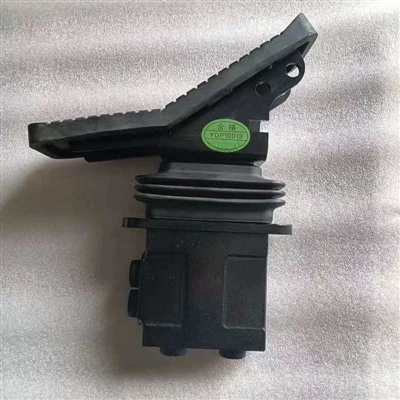
Hydraulic oil contamination is a serious issue that can have a significant impact on the performance and longevity of hydraulic parts. By understanding the various causes of contamination, such as particulate matter, water, chemicals, microbiology, and improper maintenance, we can take proactive measures to prevent it. As a hydraulic parts supplier, I am committed to providing high – quality components and offering advice on how to keep hydraulic systems clean and efficient.
Engine Components If you are in the market for reliable hydraulic parts or need more information on preventing hydraulic oil contamination, I encourage you to reach out and start a conversation. Our team of experts is ready to help you find the right solutions for your hydraulic system needs.
References
- "Hydraulic Systems and Fluid Power: Theory and Practice" by George E. Totten
- "Handbook of Hydraulic Fluid Technology" by George E. Totten and Steven R. Westbrook
- Industry white papers on hydraulic system maintenance and contamination control from leading hydraulic equipment manufacturers.
Yantai Dayun Machinery Parts Co., Ltd.
As one of the most professional hydraulic parts suppliers in China, we are committed to providing high quality products with low price. Please feel free to buy discount hydraulic parts in stock here from our factory. Contact us for quotation and free sample.
Address: NO91, Zhenzhong Street, Fushan District, Yantai City
E-mail: dayunhyd5123@163.com
WebSite: https://www.dayunexcavator.com/
