Hey there, folks! I’m a supplier of resistance furnaces, and today I wanna talk about something that might not be on everyone’s radar but can have a big impact on how these furnaces work: humidity. Resistance Furnace
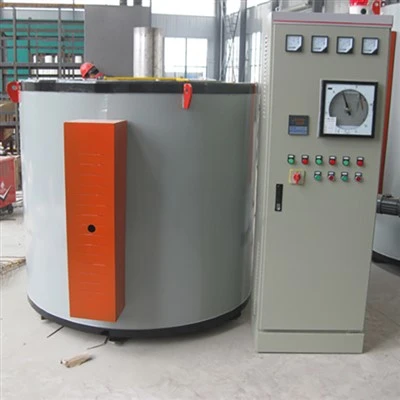
Let’s start with the basics. A resistance furnace is a type of heating equipment that uses electrical resistance to generate heat. It’s used in a whole bunch of industries, from metalworking to ceramics, for processes like melting, annealing, and heat treatment. But humidity? Well, it’s that invisible stuff in the air that can mess with how our furnaces operate.
How Humidity Affects the Heating Elements
The heating elements in a resistance furnace are like the heart of the machine. They’re usually made of materials like nichrome, molybdenum, or silicon carbide. When humidity is high, it can cause some real headaches for these elements.
First off, moisture in the air can lead to corrosion. You know how metal rusts when it’s exposed to water? Well, the same thing can happen to the heating elements. The moisture reacts with the metal, forming oxide layers. This not only reduces the efficiency of the heating elements but also shortens their lifespan. For example, if you’ve got a nichrome heating element in a high – humidity environment, it might start to degrade faster than normal. Instead of lasting a couple of years, it could conk out in just a few months.
Secondly, humidity can affect the electrical resistance of the heating elements. The extra moisture can create a sort of conductive film on the surface of the element. This can change the way the current flows through the element, leading to uneven heating. You might end up with hot spots and cold spots in your furnace, which is a big no – no if you’re trying to achieve precise heat treatment.
Impact on the Furnace Insulation
The insulation in a resistance furnace is crucial for keeping the heat inside and protecting the surrounding environment. High humidity can really take a toll on it.
Insulation materials, like ceramic fiber or refractory bricks, are designed to be good heat insulators. But when they absorb moisture, their insulating properties go down the drain. The water molecules in the insulation act as conductors, allowing heat to escape more easily. This means your furnace has to work harder to maintain the desired temperature, which in turn uses more energy.
If the insulation gets wet and stays that way for a long time, it can also start to break down physically. The fibers in ceramic fiber insulation might become brittle and start to crumble. Refractory bricks can develop cracks due to the expansion and contraction caused by the moisture. Once the insulation is damaged, it’s not only less effective but can also pose a safety risk.
Effects on the Furnace Atmosphere
In many resistance furnace applications, the atmosphere inside the furnace is carefully controlled. For example, in some heat – treating processes, you might want an inert gas atmosphere to prevent oxidation of the workpiece. Humidity can really mess up this controlled atmosphere.
The moisture in the air can react with the gases inside the furnace. If you’re using a nitrogen atmosphere, for instance, the water vapor can react with the nitrogen to form ammonia and other compounds. This can contaminate the workpiece and affect the quality of the heat – treatment.
Also, high humidity can make it harder to maintain a stable pressure inside the furnace. The water vapor can expand and contract with changes in temperature, causing fluctuations in pressure. This can be a problem, especially in processes that require precise pressure control.
Humidity and Furnace Performance in Different Industries
Let’s take a look at how humidity affects resistance furnaces in a few different industries.
Metalworking
In the metalworking industry, resistance furnaces are used for melting and heat – treating metals. High humidity can lead to porosity in the cast metals. The moisture in the furnace can vaporize and get trapped in the molten metal, creating small holes or bubbles in the finished product. This can weaken the metal and reduce its strength.
Ceramics
For ceramic production, resistance furnaces are used to fire the ceramic pieces. Humidity can cause uneven drying and firing. If the ceramic material absorbs too much moisture from the air before firing, it can crack during the firing process due to the rapid expansion of the water vapor.
Electronics
In the electronics industry, resistance furnaces are used for processes like annealing semiconductor chips. Humidity can cause corrosion on the delicate electronic components, leading to malfunctions. It can also affect the electrical conductivity of the materials being processed, which is a big deal when you’re working with high – precision electronics.
Dealing with Humidity
So, what can we do to deal with the impact of humidity on resistance furnaces?
One option is to use dehumidifiers. Placing a dehumidifier in the area where the furnace is located can help reduce the humidity levels in the air. This helps protect the heating elements, insulation, and the furnace atmosphere.
Another thing is to ensure proper ventilation. Good ventilation can help remove the moist air from around the furnace and bring in fresh, dry air. However, you need to be careful not to introduce too much outside air, as it might also contain pollutants.
Regular maintenance is also key. Inspecting the furnace for signs of moisture damage, such as rust on the heating elements or cracked insulation, and replacing any damaged parts can help keep the furnace running smoothly.
Conclusion
As you can see, humidity can have a significant impact on the operation of a resistance furnace. From affecting the heating elements and insulation to messing up the furnace atmosphere and the quality of the products being processed, it’s something that we as resistance furnace suppliers and users need to take seriously.
Tempering Furnace If you’re in the market for a resistance furnace or need some advice on dealing with humidity issues in your existing furnace, don’t hesitate to reach out. We’re here to help you get the most out of your furnace and ensure that it operates efficiently and safely.
References
- Smith, J. "Materials Science of Furnace Components." Journal of Industrial Heating, 20XX.
- Brown, A. "The Effects of Atmosphere on Heat – Treatment Processes." Heat – Treatment Magazine, 20XX.
- Green, M. "Humidity Control in Industrial Environments." Industrial Climate Control Journal, 20XX.
Danyang Dingfeng Industrial Furnace Co., Ltd.
Danyang Dingfeng Industrial Furnace Co., Ltd. is one of the most experienced resistance furnace manufacturers and suppliers in China, also supports customized service with low price. Please feel free to wholesale high quality resistance furnace made in China here from our factory. For pricelist, contact us now.
Address: Lizhuang Economic Development Zone, Danyang City
E-mail: saleszk@dffurnace.com
WebSite: https://www.dffurnace.com/
