Hey there, fellow quilt lovers and folks hunting for that perfect custom printed quilt! As someone who’s been in the printed quilt game for over a decade—helping people turn their favorite photos, patterns, or even weirdly specific memes into cozy, bed-ready pieces—I get it. You’re scrolling through options, seeing terms like “digital print” and “screen print” thrown around, and wondering: what actually goes into making a printed quilt? And does one method matter more than the other, especially when you’re paying for something that’s supposed to last through 100+ washes? Printed Quilt
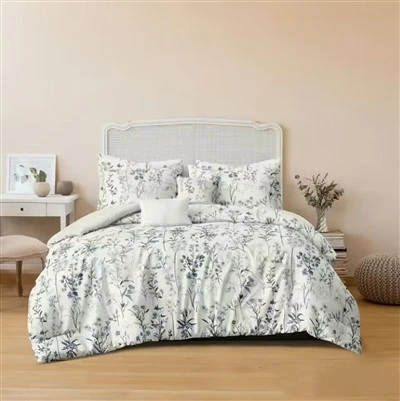
Let me break this down like I would to a regular customer who just sent me a photo of their golden retriever puppy and said “make this the coziest quilt ever.” No jargon, just real talk about the methods we (and most reputable suppliers) use, why we pick certain ones, and what you should actually care about when choosing a printed quilt.
First up, let’s get the basics: a printed quilt isn’t just a blanket with a picture. The print has to stick through multiple washes, feel soft against your skin, and not fade after a year of use. So the method is everything. Here’s the big three that are standard for printed quilts, plus a couple niche ones you might see if you’re looking at super custom stuff.
Digital Direct-to-Fabric (DTF) Printing: The Workhorse for Most Custom Quilts
If you’ve ever sent a custom photo to a supplier and gotten a quilt back that looks almost identical to the original, chances are this is what they used. Digital DTF is basically like a giant, high-quality printer that prints directly onto the fabric—no screens, no prepping, nothing. We use this for 90% of our custom orders, and here’s why it’s such a fan favorite (for both us and customers):
First, detail. We’re talking crisp lines, subtle gradients, even that tiny spot on your grandma’s quilt that you want to replicate exactly. Last month, a customer sent us a 10-year-old polaroid of her late dad’s fishing boat—she wanted it printed on a queen-size quilt. Digital DTF pulled every little scratch on the hull, the faded “1998” on the side, even the way the sunset looked soft in the background. You can’t get that level of detail with other methods. The maximum resolution we can hit is 1440 DPI, which is way higher than a regular office printer—so even small text or tiny patterns don’t blur.
Second, no minimums. If you want a single twin-size quilt with a print, that’s totally fine. With screen printing, you’d need like 50+ of the same design to make it cost-effective, which is garbage for someone who wants a one-off for their kid’s new bed. Digital lets us print one, 10, or 1000—no extra charge for small runs. That’s why it’s perfect for personal stuff: pets, family photos, custom patterns for a small business, whatever.
Third, soft feel. The ink we use here is water-based, so it’s not that crunchy, stiff feel you get with some old-school prints. Once it’s cured (we heat it to set it, like how you set a Sharpie on a shirt), it sinks into the fabric instead of sitting on top. You can’t feel the print at all when you run your hand over the quilt—way more comfortable than a screen-printed one that’s scratchy after a few washes.
Wait, but there are a couple downsides I’ll be honest about. Fading? If you use cheap ink, yeah, but we use commercial-grade, OEKO-TEX certified ink that’s made to resist fading. We tell customers to wash the quilt in cold water, no bleach, and it’ll look the same for 5+ years. Also, darker prints—if you’re going all black or a super dense pattern, digital can sometimes be a tiny bit lighter than screen print, but only if you’re using low-quality equipment. Our printers fix that by layering ink for depth, so it’s not an issue.
Screen Printing (or Silkscreen): Best for Bulk, Bold Designs
Screen printing is the old-school method that’s been around for decades—think the band tees you bought in the 90s. Here’s how it works: you make a screen (a stencil made of mesh) for each color in your design, then push ink through the screen onto the fabric. For a quilt, you’d need a separate screen for every color—so if you have a design with red, blue, and yellow, that’s three screens.
This method is great if you’re making 50+ quilts with the exact same bold design. The ink here is usually plastisol, which is thicker and more vibrant than digital ink. If you want a bright, solid logo for a business quilt or a big, bold geometric pattern, screen print will give you that pop that digital can sometimes miss. It also wears really well—plastisol ink is tough, so it won’t peel off if you wash it on warm, no bleach.
But why don’t we use this for most of our orders? Two big reasons: first, minimums. If you only want one quilt, we can’t justify making 10+ screens that we’ll never use. Second, detail is limited. If your design has a gradient, a small photo, or tiny text, screen print can’t replicate that. Each color is a solid block, so blending shades just doesn’t work. We did a bulk order for a local coffee shop last year—their logo is a bright green bean with white text and a dark brown outline—screen print was perfect for that, but if they’d wanted a photo of their first shop, digital would’ve been the way to go.
Also, the feel: plastisol ink can be a bit heavier, so some customers say it feels a little thicker on the fabric. It’s not crunchy like old tees, but it’s more noticeable than digital’s flat, soft print.
Sublimation Printing: For 100% Polyester Quilts (Bright, All-Over Prints)
You’ve probably seen all-over print quilts—like a whole quilt covered in tiny pineapples, or a map of the world, no blank spots. That’s sublimation. Here’s how it works: the design is printed onto transfer paper with special dye-sublimation ink, then pressed onto a 100% polyester quilt top. The ink turns into a gas, bonds with the polyester fibers, and becomes part of the fabric—no ink on top, no screen, no digital print feel.
This is my go-to for all-over prints because it’s super vibrant. You can’t have a white background here, though—you use white polyester fabric, so the print covers every inch. The colors don’t fade at all, because they’re part of the fabric. We did a quilt for a customer who wanted a full print of their favorite constellation map, and it looked like the stars were actually woven into the fabric.
But the catch: it only works on 100% polyester. If you want a cotton quilt (which most people prefer for softness), sublimation isn’t an option. Also, if you have a design with dark colors, it might not show as well on lighter polyester, or vice versa. It’s niche, but perfect for the right project.
Niche Methods You Might Run Into (And Why We Don’t Use Them)
There are a couple other methods out there, but most of the time, they’re either too expensive or not good quality for quilts. For example, heat transfer vinyl (HTV) is where you cut a design out of vinyl and iron it on. That’s terrible for quilts—vinyl peels after a few washes, feels stiff, and can crack. We never touch that. There’s also discharge printing, where you bleach color out of fabric to make a design, but that’s only for dark fabrics and can fade unevenly. Way too much hassle for a printed quilt, especially for customers who want soft, consistent results.
Now, let’s talk about what actually matters for you as a customer. When you’re ordering a printed quilt, don’t just ask “what method did you use?” Ask about:
- Ink quality: We use OEKO-TEX certified, non-toxic ink so it’s safe for kids and pets.
- Fabric: If you want soft, breathable, cotton is best. If you want all-over bright prints, polyester is the way. We do a blend, too—cotton-poly, which is soft and takes digital print really well.
- Washability: Make sure whatever method they use holds up to at least 50 washes. All our digital and sublimation quilts do that, no fading, no peeling.
Wait, let me throw in a real example from our shop. Last month, a customer ordered two quilts: one for her son’s college dorm, and one for her bedroom. The dorm quilt was a custom print of his favorite video game characters—digital DTF, soft enough for sleeping, detailed enough that he could spot every character. The bedroom quilt was a bold, all-over print of a vintage floral pattern—sublimation, because it’s 100% polyester, bright, and covers the whole duvet without any blank space. Both have been washed 8 times so far, and they look exactly like the day they arrived.
Another thing: custom sizes. We do twin, full, queen, king, even throw sizes. All methods work for any size, but digital is easiest for custom sizes because you don’t have to adjust screens for bigger or smaller quilts. If you want a queen size quilt with a 12×12 inch photo printed on it, digital will center it perfectly no problem.
Now, why does this matter for someone who’s just buying a quilt? Let’s be real—you’re not buying a quilt for a one-time use. You want it to be a staple on your bed, something you wrap up in when it’s cold, something that maybe has a photo of a loved one or a memory tied to it. The printing method is what makes that last. If you buy a cheap quilt from a big box store that used a bad digital print, it’ll fade after two washes, or the print will start to crack. If you buy a screen print bulk quilt for your home, it might be scratchy and not replicate your favorite photo.
At our shop, we don’t cut corners on methods. We use the right method for the job, not the cheapest one. That’s why a lot of our customers come back—they order a custom quilt for a friend’s birthday, then come back a year later for another one for their kid, because they know it’ll hold up.
Wait, I should address a common question I get: can you print on any quilt fabric? Sort of. Natural fabrics like cotton, linen, and cotton blends work best with digital DTF because the ink absorbs into the fibers. Polyester is for sublimation, as I said. Linen is a bit trickier because it’s thicker, but our digital printers have enough pressure to get the ink in without making it feel crunchy. We don’t print on flannel with screen print, though—flannel is too soft, and screen print ink would make it feel stiff.
Another pro tip: if you’re ordering a photo quilt, make sure you use a high-resolution image. The printer can only work with what you give it. If you send a blurry phone photo, even the best digital method will result in a blurry quilt. We always tell customers to send a photo that’s at least 300 DPI, and we’ll touch it up for free—adjust brightness, fix small scratches, whatever, to make it look perfect on the quilt.
I’ve seen too many customers get frustrated because they sent a tiny Instagram photo, and the quilt came out pixelated. It’s not the method’s fault—you have to give the printer good material to work with. That’s part of the service we offer: we help you get the right image, no extra charge, so your quilt turns out exactly how you want.
Now, let’s wrap this up. The key takeaway:
- Custom one-off quilts (photos, personal designs): Go with digital DTF. It’s detailed, soft, no minimums.
- Bulk quilts with bold, simple designs: Screen print is your guy—vibrant, durable, good for large orders.
- All-over prints, bright colors, polyester fabric: Sublimation is the way to go.
- Avoid cheap methods like HTV—they’re not worth it.
If you’re in the market for a printed quilt—whether it’s for your bed, a gift, a bulk order for your business, whatever—don’t stress about the jargon. Just ask the supplier which method they use, what ink they use, and if they can replicate your specific design. At the end of the day, the best printed quilt is the one that feels good, looks like what you wanted, and lasts through all the cozy nights you’ll spend wrapped up in it.

If you’re ready to chat about a custom order, a bulk run, or even just have a question about which method works best for your idea, hit us up. We’d love to help you turn whatever you’re thinking into a quilt that’s as unique as you are.
Bedding Sets References
- Textile Inkjet Printing: Technology and Applications, Woodhead Publishing
- Screen Printing for Textiles: Principles and Practice, Routledge
- Sublimation Printing: A Guide for Textile Manufacturers, International Textile and Apparel Association
- OEKO-TEX Standard 100 for Textile Products, International Association for Research and Testing in the Field of Textile Ecology
Haining Jiahao Supply Chain Co., Ltd.
As one of the most professional printed quilt manufacturers in China, we have world-leading production equipment and strong manufacturing capabilities. Welcome to wholesale bulk cheap printed quilt in stock here and get quotation from our factory. Customized orders are welcome.
Address: Room 903, Building 4, Hongxiang Life Plaza, No. 267, Nongfeng Road, Haining City, Zhejiang Province, China
E-mail: cecilia@jiahao-hn.com
WebSite: https://www.jiahaotextiles.com/
