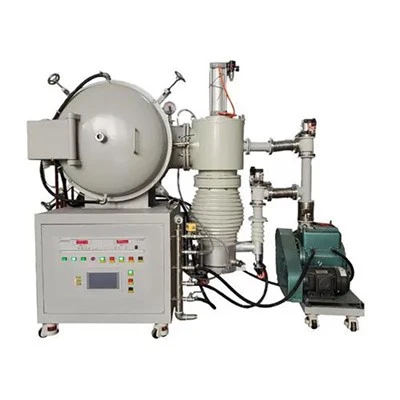
As an electric furnace supplier, I’m often asked about the kinds of soldering operations our electric furnaces can support. Well, let me tell you, our electric furnaces are pretty versatile little beasts, and they can handle a wide range of soldering jobs. Electric Furnace
1. Soft Soldering
First up, we’ve got soft soldering. This is the most common type of soldering you’ll come across, especially in electronics and plumbing. Soft soldering uses a low – melting – point alloy, usually a mixture of tin and lead (although lead – free options are becoming more popular these days), which melts at temperatures between 180 – 350°C.
Our electric furnaces are great for soft soldering because they can maintain a stable low temperature. You see, when you’re soldering small electronic components like circuit boards, you don’t want the temperature to fluctuate too much. One moment it’s too hot, and you could damage the delicate components; the next moment it’s too cold, and the solder won’t flow properly. Our furnaces have adjustable temperature controls that let you set the perfect temperature for the specific solder you’re using. And they’re well – insulated, so they can hold that temperature steadily, which means you’ll get clean, reliable soldering joints every time.
2. Hard Soldering (Silver Soldering)
Next, let’s talk about hard soldering, also known as silver soldering. This type of soldering uses a filler metal with a higher melting point than soft solder, typically around 600 – 840°C. Silver solders often contain silver, copper, and zinc, and they’re used in situations where you need a stronger joint than what soft soldering can provide.
Jewelry making is a good example. When you’re joining precious metal parts together, you need a strong and durable bond. Our electric furnaces are up to the task. They can reach and maintain the high temperatures required for silver soldering. The heating elements in our furnaces are designed to heat up quickly and evenly. This is important because uneven heating can cause the metal to warp or crack. With our electric furnace, you can place your jewelry pieces inside and know that they’ll be heated uniformly, ensuring a perfect soldering joint.
3. Brazing
Brazing is another soldering – like operation that our electric furnaces can support. Brazing is similar to hard soldering, but it uses a filler metal with a melting point above 450°C (but below the melting point of the base metals being joined). Brazing is commonly used in the automotive, aerospace, and plumbing industries.
For example, in the automotive industry, brazing is used to join pipes and metal components. Our electric furnaces can create a controlled atmosphere for brazing. Some brazing operations require a reducing atmosphere to prevent oxidation of the metals. Our furnaces can be equipped with systems to introduce gases like nitrogen or hydrogen to create that ideal environment. This ensures that the brazing filler metal adheres well to the base metals, creating a strong and leak – proof joint.
4. Reflow Soldering
In the world of electronics manufacturing, reflow soldering is a big deal. This is the process of attaching surface – mount components to printed circuit boards (PCBs). A solder paste, which is a mixture of solder alloy powder and flux, is applied to the PCB pads. Then the components are placed on top of the paste, and the whole assembly is heated in a reflow oven (like our electric furnaces!) to melt the solder and create the electrical connections.
Our electric furnaces are equipped with precise temperature profiling capabilities. The reflow process requires a specific temperature curve: first a pre – heat stage to drive off moisture and activate the flux, then a soak stage to ensure even heating, followed by a peak temperature stage to melt the solder, and finally a cooling stage to solidify the joint. Our furnaces can be programmed to follow these exact temperature profiles, ensuring high – quality soldering results for even the most complex PCBs.
5. Wave Soldering
Wave soldering is another common method in electronics manufacturing, especially for through – hole components. In wave soldering, a wave of molten solder is created, and the PCB with inserted components is passed over the wave. Our electric furnaces can be used to heat and maintain the solder bath at the right temperature.
The temperature control in our furnaces is crucial here. The solder needs to be at the right viscosity to flow properly around the through – hole components and create good electrical connections. If the temperature is too high, the solder might splash or cause damage to the components; if it’s too low, the solder won’t flow well, resulting in poor joints. Our electric furnaces can keep the solder bath at a consistent temperature, making the wave soldering process smooth and efficient.
6. Pre – heating for Soldering
Sometimes, it’s not just about the actual soldering process. Pre – heating the workpieces is also important in many soldering operations. Pre – heating helps to reduce thermal stress on the materials, preventing cracking and improving the flow of the solder.
Our electric furnaces are perfect for pre – heating. You can load your workpieces into the furnace, set the appropriate pre – heat temperature, and let the furnace do its job. For example, when soldering large metal parts, pre – heating in our furnace can make the subsequent soldering process much easier and more reliable.
Wrapping It Up
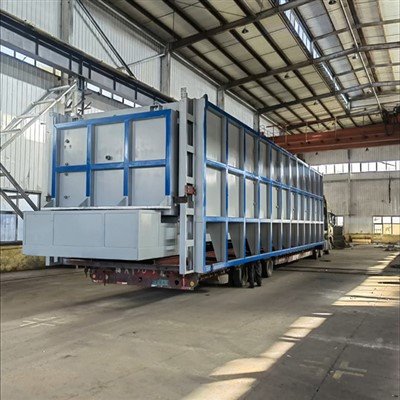
So, as you can see, our electric furnaces are capable of supporting a wide variety of soldering operations, from the simple soft soldering in electronics to the more complex brazing and reflow soldering in industrial applications. Whether you’re a hobbyist jeweler, an electronics manufacturer, or a plumbing contractor, our electric furnaces can meet your soldering needs.
Quenching Furnace If you’re interested in learning more about how our electric furnaces can support your specific soldering operations or if you’re thinking about making a purchase, feel free to reach out. We’re here to help you find the right furnace for your job and answer any questions you might have. Looking forward to chatting with you!
References
- "Soldering Handbook" by various industry experts, published by a well – known industrial press.
- Electronics Manufacturing Technology textbooks covering reflow and wave soldering processes.
- Jewelry Making tutorial books and resources discussing silver soldering techniques.
Danyang Dingfeng Industrial Furnace Co., Ltd.
Danyang Dingfeng Industrial Furnace Co., Ltd. is one of the most experienced electric furnace manufacturers and suppliers in China, also supports customized service with low price. Please feel free to wholesale high quality electric furnace made in China here from our factory. For pricelist, contact us now.
Address: Lizhuang Economic Development Zone, Danyang City
E-mail: saleszk@dffurnace.com
WebSite: https://www.dffurnace.com/
