In the world of construction, energy efficiency, and industrial applications, the demand for thermal insulation materials that are both lightweight and easy to handle has been on the rise. As a supplier of thermal insulation materials, I’ve witnessed firsthand the evolving needs of our customers and the continuous innovation within the industry. In this blog, I’ll explore some of the top contenders in the market that meet these crucial criteria. Thermal Insulation Materials
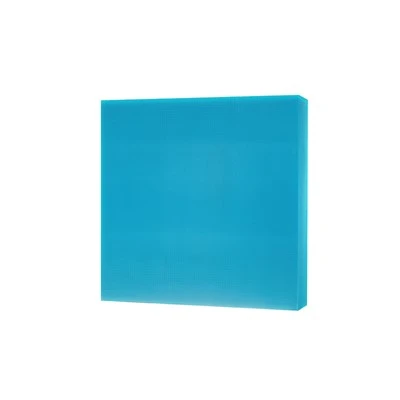
Understanding the Importance of Lightweight and Easy – to – Handle Insulation
Before diving into specific materials, it’s essential to understand why lightweight and easy – to – handle insulation matters. In construction projects, time is money. Workers need materials that they can quickly move around the site and install without excessive physical strain. A lightweight insulation material reduces the need for heavy – lifting equipment, which in turn can cut down on labor costs and project timelines.
For the transportation of insulation materials, weight is a significant factor. Lighter materials mean lower freight costs, as less fuel is required to move them from the manufacturer to the project site. This not only saves money but also has environmental benefits by reducing carbon emissions associated with transportation.
In addition, ease of handling can lead to better installation quality. When workers can handle a material with ease, they are more likely to install it correctly, ensuring optimal thermal performance.
Types of Lightweight and Easy – to – Handle Thermal Insulation Materials
Fiberglass Insulation
Fiberglass insulation is one of the most widely used thermal insulation materials. It is made from fine glass fibers that trap air, creating a barrier against heat transfer. One of its main advantages is its relatively low weight. Fiberglass batts, which are pre – cut rectangular pieces, can be easily carried and installed by a single worker.
The flexibility of fiberglass also makes it easy to handle. It can be cut to fit around pipes, electrical wires, and other obstacles in a building’s structure. Moreover, fiberglass insulation is available in different thicknesses and R – values (a measure of thermal resistance), allowing for customization based on the specific insulation needs of a project.
However, it’s important to note that fiberglass insulation requires proper handling. The fine glass fibers can irritate the skin, eyes, and respiratory system, so workers should wear appropriate protective gear during installation.
Mineral Wool Insulation
Mineral wool is another popular option. It is made from natural or synthetic minerals, such as basalt or slag. Mineral wool insulation is also lightweight, which makes it easy to transport and install. It has excellent fire – resistant properties, making it a great choice for applications where fire safety is a concern.
Similar to fiberglass, mineral wool can be produced in batts, rolls, or loose – fill forms. The batts and rolls are easy to handle and can be installed in wall cavities, attics, and floors. The loose – fill form can be blown into hard – to – reach areas, providing a seamless insulation layer.
One drawback of mineral wool is that it can be a bit more brittle compared to fiberglass, which may require more careful handling during installation to prevent breakage.
Polystyrene Insulation
Polystyrene insulation comes in two main types: expanded polystyrene (EPS) and extruded polystyrene (XPS). Both are lightweight and easy to handle. EPS is a rigid foam board insulation made from expanded polystyrene beads. It is relatively inexpensive and has good thermal insulation properties.
EPS boards are easy to cut with a utility knife, allowing for precise fitting around building components. They are also lightweight enough to be carried and installed without heavy machinery. XPS, on the other hand, has a denser and more closed – cell structure, which gives it better moisture resistance and a higher R – value per inch compared to EPS.
While both types of polystyrene insulation are easy to work with, they are flammable and may require additional fire – retardant treatments, especially in areas where fire codes are strict.
Aerogel Insulation
Aerogel is a high – performance insulation material that has gained popularity in recent years. It is an extremely lightweight solid with a very low thermal conductivity. Aerogel insulation typically comes in blanket or panel forms.
The lightweight nature of aerogel makes it easy to transport and install. It can be used in a variety of applications, from building insulation to industrial equipment insulation. Its high thermal performance means that a thinner layer of aerogel can achieve the same level of insulation as a much thicker layer of traditional materials.
However, aerogel insulation is relatively expensive compared to other options. This cost can be a limiting factor for some projects, especially those with tight budgets.
Comparing the Performance and Cost
When choosing a lightweight and easy – to – handle thermal insulation material, it’s important to consider both performance and cost. Fiberglass and mineral wool are generally more affordable options and offer good thermal insulation for most residential and commercial applications. They are widely available and have a long – proven track record.
Polystyrene insulation provides a balance between cost and performance. EPS is a cost – effective choice, while XPS offers better insulation and moisture resistance at a slightly higher price.
Aerogel insulation, with its superior thermal performance, is at the high end of the cost spectrum. However, for applications where space is limited or where extreme thermal insulation is required, the added cost may be justified.
Our Role as a Thermal Insulation Materials Supplier
As a supplier of thermal insulation materials, we understand the diverse needs of our customers. We offer a wide range of lightweight and easy – to – handle insulation options, from traditional fiberglass and mineral wool to high – performance aerogel.
Our team of experts is available to provide technical support and advice on choosing the right insulation material for your project. We can help you evaluate the insulation requirements based on factors such as climate, building type, and budget.
We also ensure the quality of our products. Our insulation materials are sourced from reputable manufacturers and undergo strict quality control measures. This ensures that you receive materials that meet or exceed industry standards.
In addition, we focus on providing excellent customer service. We make it easy for you to place orders, and we offer prompt delivery services to ensure that your project stays on schedule.
Contact Us for Your Thermal Insulation Needs
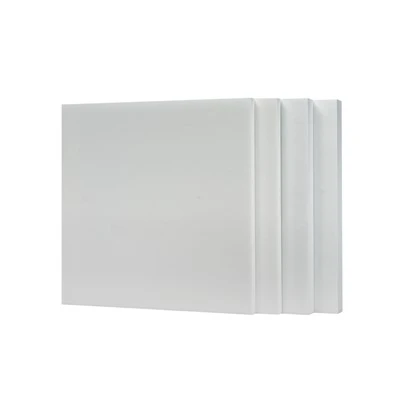
If you’re in search of lightweight and easy – to – handle thermal insulation materials for your next project, we’re here to help. Whether you’re a contractor, builder, or a DIY enthusiast, we have the right insulation solution for you.
Thermal Insulation Materials Our team is eager to discuss your specific requirements and provide you with a personalized quote. We believe that by working together, we can help you achieve optimal energy efficiency and comfort in your building. So don’t hesitate to reach out and start the conversation about your thermal insulation needs.
References
- Building America Solution Center. "Insulation Materials".
- Owens Corning. "Fiberglass Insulation Technical Guide".
- Rockwool Group. "Mineral Wool Insulation: Properties and Applications".
- Dow Chemical Company. "Polystyrene Insulation Product Literature".
- Aspen Aerogels. "Aerogel Insulation for Energy – Efficient Buildings".
Wenzhou Lejia Energy-saving Material Co., Ltd.
As one of the leading manufacturers and suppliers of thermal insulation materials in China, we’re featured by quality products and good service. Please rest assured to buy advanced thermal insulation materials for sale here from our factory. We also accept customized orders.
Address: Block A, No. 128 Changxiu Road, Lingkun Subdistrict, Wenzhou Marine Economy Development Demonstration Zone, Zhejiang Province, China.
E-mail: luckyfoam@vip.163.com
WebSite: https://www.lfxps.com/
